
Understanding The Stages of Drug Addiction
Understanding the stages of drug addiction can help you recognize warning signs early and seek help before substance abuse becomes severe. Whether you’re concerned about your own drug use or watching a loved one struggle, knowing how addiction progresses through distinct stages gives you the knowledge to take action.
Addiction doesn’t happen overnight. The American Society of Addiction Medicine defines addiction as a chronic brain disease that develops gradually through predictable phases. Each stage of addiction involves changes in brain function, behavior patterns, and physical health that become increasingly difficult to reverse without professional help.
Understanding Addiction as a Medical Condition
The World Health Organization and the Substance Abuse and Mental Health Services Administration (SAMHSA) recognize substance use disorders as legitimate medical conditions, not moral failures. The Diagnostic and Statistical Manual of Mental Disorders classifies these conditions based on severity, from mild substance use disorder to severe dependence.
Research shows that addiction affects areas of the brain responsible for reward, motivation, and decision-making. Studies referenced in medical practice journals by researchers like Kent S. Hoffman demonstrate that chronic diseases like drug dependence require ongoing support and treatment, just like diabetes or heart disease.
Multiple factors contribute to addiction risk. Mental health conditions, family history, peer pressure, and early exposure to harmful substances all increase vulnerability. According to a national survey of high school seniors, young adults who experiment with illicit drugs or prescription medications during adolescence face a higher risk of developing substance use problems later in life.

The Experimentation Stage: First Use of a Substance
The cycle of addiction typically begins with experimental use in social settings. Whether trying prescription drugs at a party or using an illegal drug out of curiosity, the first time someone uses a substance rarely feels dangerous.
During the experimentation stage, drug use occurs occasionally without regular patterns. You might try an illicit substance once or twice, often influenced by peer pressure or curiosity about the effects. Many people experiment without progressing to addiction, but certain risk factors make continued use more likely.
Recovery professionals note that the initial use phase can be deceptively safe-feeling. Research in addiction recovery by specialists like Jessica Miller confirms this pattern. The brain experiences pleasure from the substance, creating positive associations that encourage future use. Family members often miss early warning signs because experimental use happens infrequently and may not cause obvious negative consequences.
Young adults are particularly vulnerable during this stage. Social settings where substance misuse is normalized, combined with developing brains that are more sensitive to rewarding effects, create conditions for risky behavior. What starts as trying something once can quickly evolve into regular use of drugs.
Regular Use and Risky Behavior
The second stage involves increased frequency of drug abuse. You begin using substances in predictable patterns, perhaps every weekend or in specific social situations. While you may not feel dependent yet, risky use is establishing neural pathways that reinforce addictive behavior.
During this phase, you may begin taking larger doses to achieve the same effects. Your brain adapts to the presence of harmful substances, requiring more of the substance to elicit the desired response. This tolerance marks the beginning of physical dependence, although you may not yet recognize it.
Warning signs during regular use include mood swings, changes in friend groups, and declining performance at work or school. You might justify continued use by pointing out that you still function normally most of the time. Family relationships may exhibit early strain as loved ones express concern about changes in behavior.
According to research from medical practice studies, this contemplation stage is critical for early intervention. People recognize some negative consequences but haven’t committed to change. A health care provider can help assess whether your substance use problem requires professional treatment before it progresses further.
The Development of Drug Dependence
Drug dependence represents a significant shift in the stages of change. Your body and brain now require the substance to function normally. Physical dependence develops as your system adapts to regular exposure, while psychological dependence creates intense cravings and compulsive use patterns.
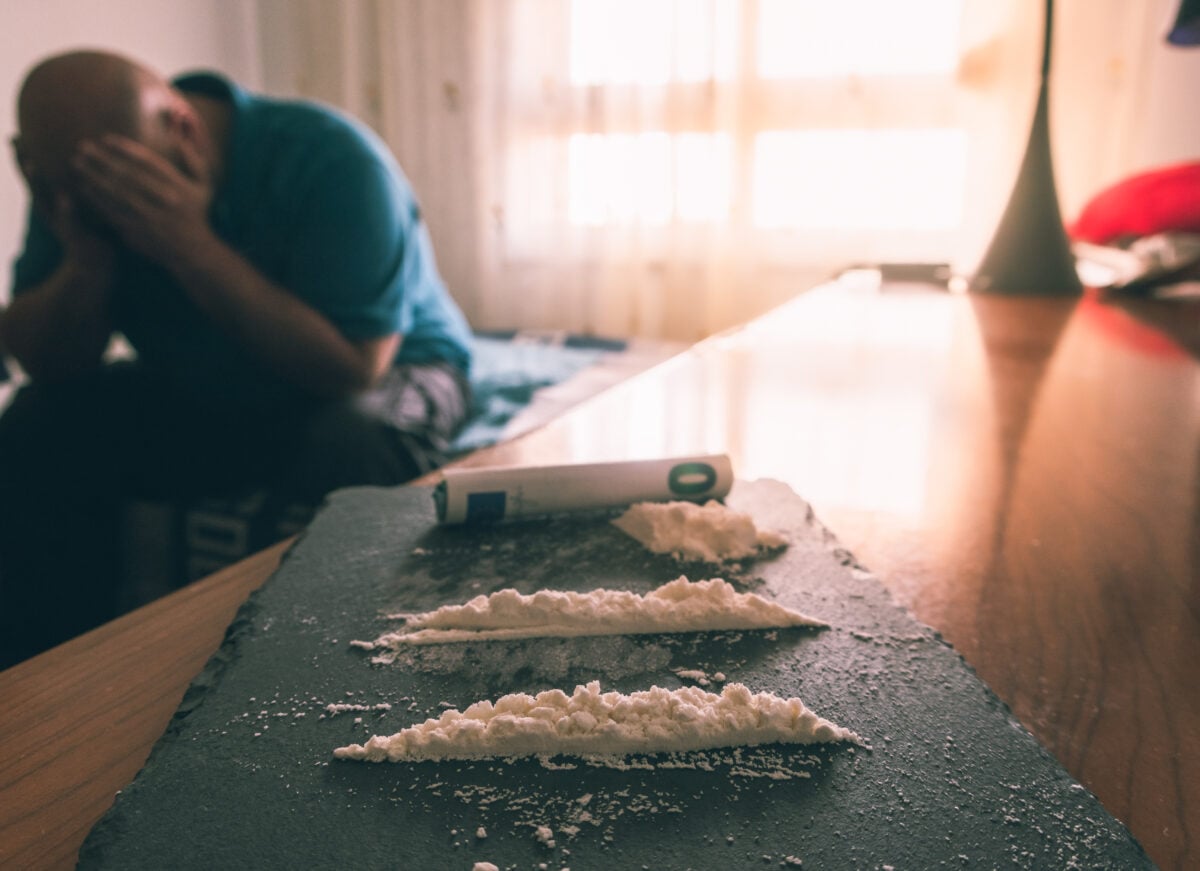
At this stage, stopping drug use triggers withdrawal symptoms. These can range from mild discomfort to severe medical emergencies, depending on the substance. Every day withdrawal experiences include anxiety, tremors, nausea, insomnia, and intense physical pain. For alcohol addiction or dependence on certain prescription drugs, withdrawal can be life-threatening without medical supervision.
The person’s behaviors change noticeably during this phase. You prioritize obtaining and using substances over previously essential activities. Work performance suffers, personal relationships deteriorate, and financial problems emerge. Medical experts like Dr. Hoffman emphasize that at this stage, substance abuse has become a chronic disease requiring professional help rather than willpower alone.
Mental health issues often worsen during dependence. Whether pre-existing conditions contributed to initial drug use or substance misuse caused new psychological problems, the interaction between mental health conditions and addiction complicates recovery. Many people require integrated treatment that addresses both issues simultaneously.
Addiction: The Final Stage
The final stage of addiction involves complete loss of control over substance use despite severe consequences. You continue using illicit drugs, prescription medications, or alcohol even when facing health crises, legal problems, lost relationships, and financial ruin. The addiction cycle dominates every aspect of life.

At this stage, the brain’s reward system has been fundamentally altered. Normal activities no longer provide pleasure. You need the substance just to feel baseline normal, experiencing neither euphoria nor comfort from use. The greater need for increasing doses continues despite diminishing returns.
Chronic brain disease manifests clearly during severe addiction. Decision-making abilities deteriorate, impulse control weakens, and judgment becomes profoundly impaired. These aren’t character flaws but neurological changes caused by prolonged substance exposure. Areas of the brain controlling executive function show measurable differences on imaging studies.
Physical health deteriorates rapidly during advanced addiction. Chronic diseases linked to substance abuse include liver damage, heart disease, respiratory problems, and increased cancer risk. Many people experience dental problems, skin issues, malnutrition, and compromised immune function. Without effective treatment, the health consequences can be fatal.
Understanding Physical and Psychological Dependence
Physical dependence means your body requires the substance to maintain chemical balance. When drug use stops, withdrawal symptoms force many people back into active addiction. Different substances produce different withdrawal patterns, but all create significant discomfort that feels insurmountable without support.
Psychological dependence involves emotional and mental reliance on substances. You believe you can’t cope with stress, social situations, or daily life without using. This cognitive aspect often persists long after physical withdrawal ends, making ongoing support crucial for long-term recovery.
The interaction between these types of dependence explains why addiction is so difficult to overcome alone. Even after your body heals from physical effects, the psychological pull remains strong. Triggers in the environment, emotional states, or social settings can provoke intense cravings months or years into recovery.
Getting Help: Treatment and Recovery Process
Recognizing signs of addiction marks the first step toward recovery. Whether you notice these patterns in yourself or in family members, seeking professional evaluation is essential. A treatment center can assess severity and recommend appropriate interventions.
Professional treatment options include individual, group, and family therapy. Many programs combine these approaches with medication-assisted treatment, addressing both physical and psychological aspects of dependence. The most effective treatment plans are personalized to each person’s unique needs, circumstances, and co-occurring mental health conditions.
Support groups provide an ongoing connection with others in addiction recovery. Programs like Alcoholics Anonymous and SMART Recovery offer free, accessible communities where people share experiences and strategies. These groups recognize that recovery is a personal journey requiring sustained effort and mutual support.
The preparation stage involves planning concrete steps toward change. Research treatment centers, discuss concerns with a health care provider, or attend your first support group meeting. Taking action, even small steps, disrupts the addiction cycle and builds momentum toward recovery.
Supporting Someone Through the Stages of Change
Family members play crucial roles in addiction recovery. Your support, while maintaining healthy boundaries, can motivate loved ones to seek help. Learn about substance abuse, attend family therapy sessions, and take care of your own mental health throughout the process.
Early intervention significantly improves outcomes if you notice experimental use escalating into risky behavior; express concern without judgment. Approach conversations with compassion, focusing on specific behaviors and their consequences rather than attacking character.
Understanding that addiction is a medical condition rather than a choice helps maintain supportive relationships. Your loved one isn’t choosing to hurt you or themselves. The chronic brain disease has altered their decision-making capabilities, requiring professional help to restore healthy functioning.
Connect with resources in your community and online. Organizations like the National Institute on Drug Abuse provide evidence-based information for families. Many treatment centers offer family programs that help everyone heal from addiction’s harmful effects.
Moving Toward Recovery
The stages of drug addiction follow predictable patterns, but recovery is possible at any stage. Whether addressing early risky use or long-established dependence, effective treatment helps restore brain function, rebuild relationships, and develop skills for maintaining sobriety.
Long-term recovery requires ongoing support. Relapse rates for addiction mirror those of other chronic diseases, meaning returning to substance use doesn’t indicate failure but rather the need for treatment adjustment. Many people in recovery require multiple attempts before achieving sustained sobriety.
Each stage of addiction represents an opportunity for intervention. The earlier you recognize problematic substance use, the more options exist for treatment and the better your chances of preventing severe consequences. Don’t wait until reaching the final stage to seek necessary support.
Remember that millions of people successfully navigate the recovery process each year. With appropriate treatment, support groups, and ongoing commitment to change, you can break the cycle of addiction and build a fulfilling life in recovery. Whether you’re taking the first step or supporting someone else’s journey, help is available, and recovery is possible.