
Table of contents
- Understanding Oregon’s Approach to Addiction Treatment
- Crest View Recovery
- Oregon Trail Recovery LLC
- Recovery Blvd Treatment Center
- Tree House Recovery PDX
- Taylor Made Retreat
- Lasko Refuge Harmony House
- Another Chance
- NARA Residential Treatment Center
- Virtue at the Pointe Recovery Center Outpatient
- Pacific Crest Trail Detox
- Oregon Recovery Community Resources and Support Systems
- Statewide Recovery-Friendly Locations:
- Emergency Resources:
- Recovery Community Resources:
- Treatment Information:
Finding effective drug and alcohol rehab in Oregon can be a transformative decision for individuals and families affected by substance use disorders. Oregon’s progressive approach to addiction treatment encompasses evidence-based therapies, holistic healing modalities, and comprehensive community support systems throughout the state’s diverse regions. From the bustling recovery community in Portland to specialized programs in Salem, Eugene, and Bend, Oregon, addiction treatment offers innovative pathways to lasting sobriety that reflect the state’s commitment to mental health and wellness.
Oregon drug rehabilitation services have expanded significantly in recent years, integrating traditional therapeutic approaches with Pacific Northwest-inspired adventure therapy, mindfulness practices, and culturally responsive programming. Whether you’re seeking inpatient rehab Oregon facilities, outpatient addiction treatment, or specialized dual diagnosis care, the state provides diverse options supported by both public and private resources designed to meet the unique needs of Oregon’s communities.
Understanding Oregon’s Approach to Addiction Treatment
Oregon has established itself as a leader in progressive substance abuse treatment, implementing innovative policies and programs that prioritize recovery over punishment. The state’s groundbreaking Measure 110, passed in 2020, decriminalized personal possession of small amounts of controlled substances while directing resources toward treatment and recovery services. This approach reflects Oregon’s understanding that addiction is a health condition requiring comprehensive care rather than criminal justice intervention.
Key Components of Quality Oregon Addiction Treatment
Evidence-Based Clinical Excellence
When evaluating Oregon rehab centers, several factors indicate quality care:
- Commission on Accreditation of Rehabilitation Facilities (CARF) accreditation
- Oregon Health Authority licensing and compliance
- Board-certified addiction medicine physicians and licensed clinical staff
- Integration of multiple evidence-based modalities, including CBT, DBT, and motivational interviewing
- Specialized programming for co-occurring mental health disorders
Holistic and Adventure Therapy Integration
Oregon’s natural environment provides unique opportunities for therapeutic programming:
- Adventure therapy utilizes the state’s mountains, rivers, and forests
- Equine-assisted therapy programs in rural Oregon settings
- Mindfulness and meditation practices inspired by Pacific Northwest traditions
- Art and music therapy reflecting Oregon’s creative community culture
- Nutritional counseling emphasizing locally-sourced, whole foods approaches
Community Integration and Recovery Support
Quality Oregon addiction treatment centers emphasize long-term community integration:
- Strong connections to local AA and NA meeting networks
- Partnership with recovery community organizations throughout the state
- Vocational rehabilitation and educational support services
- Housing assistance and sober living referrals
- Family therapy and support services addressing systemic issues
Crest View Recovery
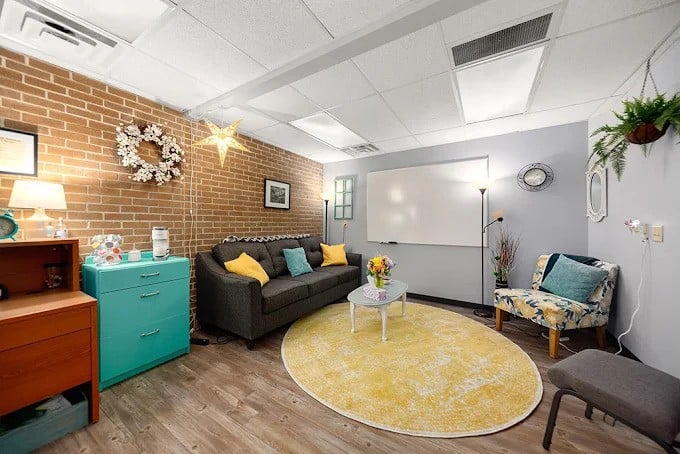
Crest View Recovery Center
📍 90 Asheland Ave, Asheville, NC 28801
www.crestviewrecoverycenter.com
Crest View Recovery Center provides addiction treatment services in Asheville with specialized programs for diverse populations including veterans, young adults, and LGBTQIA+ individuals. With a client satisfaction rating of 4.3 stars based on 144 reviews, they offer comprehensive care ranging from 90-day residential programs to intensive outpatient services with holistic and experiential therapies.
Programs
90 Day Rehab Program, Intensive Outpatient Program, Partial Hospitalization Program, Medication Assisted Treatment, LGBTQIA+ Program, Veterans Treatment Program, Young Adult Program, Dual Diagnosis, Wilderness Therapy, EMDR Therapy Program, Art Therapy Program, Music Therapy Program
In Portland’s vibrant recovery landscape, Crestview Recovery carves a distinctive niche with its Pacific Northwest-inspired approach to addiction treatment, earning a solid 4.2-star rating across 85 client evaluations. Unlike the institutional environments common in treatment settings, Crestview’s facilities blend Portland’s characteristic urban sophistication with its natural beauty, creating healing spaces that feel more like upscale residences than clinical centers. This architectural philosophy reflects their broader treatment ethos: recovery flourishes when individuals feel at home rather than institutionalized. Their signature R.I.S.E. program (Recovery, Inspiration, Strength, Empowerment) exemplifies this approach, moving beyond conventional abstinence models to cultivate personal growth alongside sobriety skills. What particularly distinguishes Crestview is its commitment to adventure therapy, which leverages the Pacific Northwest’s spectacular outdoor environments to create therapeutic experiences that build confidence, mindfulness, and natural resilience through activities such as white-water rafting, hiking, and snowboarding.
The center’s clinical framework demonstrates remarkable versatility, offering specialized tracks for nearly every major substance dependency alongside treatment for a comprehensive range of co-occurring mental health conditions. Their telehealth intensive outpatient program, developed well before remote services became commonplace, showcases their innovative spirit, extending specialized care to individuals throughout Oregon and Washington who cannot access in-person treatment. Crestview’s dual diagnosis capabilities merit particular attention, with master-level clinicians trained in both addiction treatment and psychiatric care providing integrated treatment for complex conditions like PTSD, bipolar disorder, and treatment-resistant depression. The facility maintains gender-responsive programming that acknowledges the different ways substance use manifests across genders, with treatment approaches calibrated to address these distinctions effectively. Their aftercare philosophy centers on what they call “sustainable recovery,” a multidimensional approach that builds recovery capital through vocational development, educational advancement, family healing, and community integration. Through this combination of Pacific Northwest sensibility, clinical sophistication, and adventure-based healing, Crestview Recovery offers a treatment experience that resonates with the region’s distinctive culture while providing evidence-based care that addresses the full complexity of addiction and mental health challenges.
Oregon Trail Recovery LLC

Oregon Trail Recovery LLC
📍 10600 SE McLoughlin Blvd, Milwaukie, OR 97222
Oregon Trail Recovery provides gender-specific, long-term addiction treatment with a focus on building community and sustainable recovery skills. Their extended care model combines intensive clinical services with structured sober living, creating a supportive environment where clients can develop the tools needed for lasting sobriety while gradually reintegrating into everyday life.
Programs
Men's Recovery Program, Women's Recovery Program, Detox Program, Sober Living Program, Wellbriety Program, Extended Care Treatment
Oregon Trail Recovery draws inspiration from the pioneering spirit of its namesake, crafting a distinctive approach to addiction treatment that has garnered a stellar 4.6-star rating from 91 client testimonials. This Milwaukie-based facility deliberately breaks from the industry’s standard brief intervention model, instead embracing extended care timelines of 6-12 months that allow for genuine lifestyle reconstruction rather than merely temporary abstinence. Their treatment unfolds in progressive phases that methodically increase personal autonomy while maintaining appropriate accountability—a structure reflecting the historical pioneers’ journey toward new beginnings despite formidable challenges. The facility’s steadfast commitment to gender-segregated programming acknowledges the fundamentally different recovery experiences of men and women, providing specialized environments where gender-specific issues can be addressed without compromise.
What distinguishes Oregon Trail’s clinical approach is its integration of diverse healing traditions alongside evidence-based practices. Their Wellbriety program incorporates Native American wisdom regarding community healing and spiritual wellness, offering an alternative pathway for those who find traditional recovery models insufficient. Rather than isolating clients in institutional settings, their recovery residences are integrated into normal neighborhoods, creating authentic environments for practicing sober living skills. Community engagement forms a cornerstone of their methodology, with structured volunteer opportunities that rebuild purpose and social connection. The center’s holistic approach addresses often-overlooked recovery components, including financial literacy, vocational development, relationship skills, and the cultivation of sober leisure activities. This comprehensive framework – honoring both scientific understanding and cultural wisdom while emphasizing practical life navigation – creates a recovery journey that transforms not just substance use patterns but the entire foundation upon which clients build their future lives.
Recovery Blvd Treatment Center

Recovery Blvd Treatment Center
📍 1206 SE 11th Ave, Portland, OR 97214
Recovery Blvd Treatment Center provides specialized outpatient addiction treatment services in Portland’s vibrant Central Eastside district. Their boutique approach focuses on creating individualized recovery plans for specific populations, including professionals, LGBTQ+ individuals, and young adults, with flexible scheduling options that allow clients to maintain work and family commitments while receiving quality care.
Programs
Professional Track, Intensive Outpatient Program (IOP), LGBTQ+ Program, Young Adult's Program, Interventions
Recovery Blvd Treatment Center embodies Portland’s distinctive ethos of boutique services and specialized care, earning a solid 4.4-star rating from 54 client evaluations. Situated in the city’s artistic Central Eastside Industrial District, the facility intentionally diverges from the one-size-fits-all approach common in addiction treatment, instead creating targeted programming for specific demographics that are often underserved in traditional settings. Their professional track caters to executives, healthcare workers, and licensed professionals who face unique challenges related to confidentiality, licensing concerns, and career preservation. Meanwhile, their LGBTQ+ program acknowledges the community’s heightened substance use vulnerability stemming from minority stress, providing affirming care that addresses both addiction and identity-related challenges. The center’s young adult focus targets the 18-26 age group with developmentally appropriate interventions that recognize the unique neurological, social, and identity formation aspects of emerging adulthood.
What truly distinguishes Recovery Blvd is its commitment to treatment accessibility within clients’ existing life structures. Rather than requiring individuals to uproot their lives for residential care, their intensive outpatient model offers morning, afternoon, and evening programming that accommodates work schedules, family responsibilities, and educational pursuits. This flexible approach enables clients to apply recovery skills immediately in their actual living environments, rather than in the artificial setting of residential treatment. The facility’s intervention services offer a compassionate entry point for families struggling to help their loved ones recognize the need for treatment, utilizing a respectful, evidence-based approach rather than confrontational methods. Their clinical methodology incorporates both traditional and progressive elements – from 12-step facilitation for those who benefit from this framework to mindfulness practices, motivational enhancement techniques, and trauma-informed care. Through this specialized demographic focus, schedule flexibility, and therapeutic diversity, Recovery Blvd creates a treatment experience that honors clients’ individuality while providing the structure needed for sustainable recovery within the context of their everyday lives.
Tree House Recovery PDX

Tree House Recovery PDX
📍 4713 N Albina Ave UNIT 301, Portland, OR 97217
Tree House Recovery PDX offers a revolutionary approach to addiction treatment that addresses the mind-body connection through science-based, experiential therapies. Their unique program combines fitness, mindfulness, writing therapy, and clinical interventions to build sustainable recovery and help men develop the strength, resilience, and community needed for lasting sobriety.
Programs
ESM Fitness Therapy, ABI Therapy, EP Yoga Therapy, Writing Therapy, One-on-One Therapy, Recovery in Action
At the intersection of neuroscience and holistic wellness stands Tree House Recovery PDX—a men’s addiction treatment center that has earned a perfect 5.0-star rating across 26 client reviews for its innovative approach to recovery. Unlike conventional programs that treat addiction primarily as a disease requiring management, Tree House conceptualizes it as a disconnection requiring reintegration – of mind with body, individual with community, and fractured identity with authentic self. Their methodology draws on cutting-edge research in neuroplasticity and embodied cognition, recognizing that lasting behavioral change requires both physical transformation and psychological healing. The program’s eight interlocking components form what they call “the strongest sobriety,” a multidimensional framework that builds recovery capital across biological, psychological, and social domains simultaneously.
Central to their distinctive approach is the proprietary Evolutive Strength Movement (ESM) – a fitness therapy that transcends typical “exercise as adjunct” models by systematically rebuilding neurobiological systems damaged by substance use. This science-based protocol progressively restores dopaminergic function, reduces stress hormones, and improves executive functioning through carefully sequenced resistance training and metabolic conditioning. Complementing this physical dimension is Action-Based Induction (ABI) therapy, which utilizes controlled exposure to calibrated stressors within a supportive group environment to develop emotional regulation skills that withstand real-world challenges. Their Embodied Present (EP) yoga therapy addresses the somatic aspects of trauma and addiction, teaching participants to reconnect with physical sensations without triggering fight-flight responses. Perhaps most uniquely, Tree House employs narrative reconstruction through writing therapy, helping men articulate their experiences and envision new possibilities through structured creative expression. This integrated methodology – simultaneously addressing physiological dysregulation, emotional processing deficits, cognitive distortions, and social disconnection – represents a paradigm shift from symptom management toward holistic transformation, creating a recovery experience that clients describe as “rebuilding from the foundation up” rather than merely abstaining from substances.
Taylor Made Retreat

Taylor Made Retreat
📍 10930 SW Walker Rd, Beaverton, OR 97005
Taylor Made Retreat offers a unique, non-profit approach to addiction recovery in a home-like setting that feels nothing like a traditional treatment center. Their program combines 12-step immersion with wellness activities, nutritional support, and community living to help individuals build a strong foundation for lasting sobriety.
Programs
12-Step Immersion Program, Wellness Activities, Nutritional Support, Community Living, Recovery Coaching, Aftercare Support
Born from personal tragedy and triumph, Taylor Made Retreat stands apart in Oregon’s recovery landscape as a labor of love rather than a commercial venture. Founded by Rob and Deb Taylor following the loss of their son to addiction, this non-profit sanctuary has garnered 4.7 stars across 116 reviews for its refreshingly authentic approach. Housed in a spacious residential property in Beaverton, the retreat deliberately avoids clinical aesthetics – no institutional furnishings, medical staff, or treatment protocols typically associated with rehabilitation centers. Instead, residents enter a warm, homelike environment where recovery unfolds organically through immersive community living and peer support. This architectural choice reflects the founders’ core belief that addiction recovery occurs most effectively in environments that mimic healthy family dynamics rather than medical settings.
The retreat’s methodology centers on complete 12-step immersion – not merely attending meetings, but living the principles throughout each day under the guidance of experienced recovery coaches who have successfully navigated the journey themselves. Unlike conventional programs with rigid schedules of therapeutic groups, Taylor Made structures each day around practical recovery activities: morning meditation, literature study, meeting attendance, service work, and fellowship. Nutritional healing forms another cornerstone of their approach, with family-style meals prepared from scratch using whole foods that support neurochemical rebalancing. The program operates on a flexible 30-90 day timeline determined by individual progress rather than insurance limitations, with significantly lower costs than commercial alternatives due to their non-profit status and lean operational model. Perhaps most distinctively, Taylor Made maintains a multigenerational community where younger residents benefit from the wisdom of older members in recovery, creating natural mentorship opportunities that extend beyond the formal program. Through this combination of authentic lived experience, practical recovery immersion, nutritional support, and intergenerational community, Taylor Made offers a pathway to sobriety that feels less like “treatment” and more like coming home to a family dedicated to healing.
Lasko Refuge Harmony House

Lasko Refuge Harmony House
📍 14505 SE Morrison St, Portland, OR 97233
Lasko Refuge provides faith-based recovery housing for women seeking freedom from addiction and unhealthy relationships. Their structured program offers a safe, supportive environment where women can heal, grow spiritually, and develop the skills needed for independent, substance-free living.
Programs
Faith-Based Recovery Program, Life Skills Development, Spiritual Growth, Community Support, Addiction Recovery, Transitional Housing
Sometimes the most beautiful rainbows follow the darkest storms” – this guiding philosophy illuminates the mission of Lasko Refuge Harmony House, a women-centered recovery sanctuary that has earned near-perfect satisfaction ratings (4.9 stars from 57 reviewers). Unlike conventional treatment facilities with clinical frameworks, Lasko operates at the intersection of faith, community, and practical transformation. Founded by Theresa Lasko following her own journey through addiction and homelessness, the organization brings authenticity to its mission – every staff member has personally navigated the treacherous waters of substance dependence and emerged stronger. This lived experience creates an environment where theoretical understanding gives way to genuine empathy; where women aren’t merely “cases” but sisters walking a shared path toward restoration.
The Lasko Refuge Harmony House program unfolds as a three-phase journey beginning with stabilization, where new residents find immediate safety and structure after often chaotic circumstances. As women progress, they enter a rebuilding phase focused on addressing root causes of addiction through spiritual development, emotional processing, and practical life skills acquisition. The final preparation phase emphasizes community reintegration through vocational development, financial literacy, and sustainable housing arrangements. Throughout this progression, Lasko maintains a distinctive balance between accountability and autonomy – strict house guidelines provide necessary boundaries while increasing self-governance cultivates internal discipline. Rather than emphasizing therapeutic modalities or clinical interventions, the program centers on the transformative power of authentic community, spiritual connection, and practical responsibility. Daily devotionals, shared meals, household duties, and peer mentorship create a family-like atmosphere where healing occurs naturally through relationship and purpose. This approach has proven particularly effective for women whose addiction intertwines with relational trauma, offering a restorative experience of healthy connection that counters the isolation substance use typically creates. Through this distinctive blend of faith-centered recovery, practical skill development, and authentic community, Lasko Refuge provides not merely sobriety but a comprehensive restoration of identity, purpose, and hope.
Another Chance

Another Chance
📍 12670 NW Barnes Rd Suite 200, Portland, OR 97229
Another Chance offers comprehensive, evidence-based addiction treatment services with a focus on meeting clients where they are in their recovery journey. Their outpatient programs provide flexible scheduling options, allowing individuals to receive quality care while maintaining work, school, and family commitments.
Programs
High Intensity Outpatient Program, Intensive Outpatient Program, Outpatient Program, DUII Program, Evaluations & Assessments, Family Support Group
The name “Another Chance” isn’t just a label but a living philosophy that permeates every aspect of this Portland-based outpatient center, which has garnered an impressive 4.9-star rating across 60 client testimonials. Unlike facilities that adopt rigid recovery frameworks, this center operates on the principle that effective treatment must adapt to individuals rather than forcing individuals to adapt to treatment. This approach manifests in their tiered service structure – from high-intensity programming requiring 20+ weekly hours for those needing substantial support to standard outpatient services for those further along in recovery. What distinguishes their methodology is the emphasis on meeting practical life needs alongside clinical intervention. Evening and weekend scheduling accommodates working professionals, while their sliding fee scale ensures financial circumstances don’t become barriers to healing. Perhaps most tellingly, they’ve established themselves as specialists in DUII (Driving Under the Influence of Intoxicants) programming, providing court-mandated services that transform legal obligations into genuine recovery opportunities.
The center’s clinical approach defies easy categorization, drawing elements from multiple therapeutic traditions while avoiding dogmatic adherence to any single modality. Their counselors employ motivational enhancement techniques to resolve ambivalence about change, cognitive-behavioral strategies to address thought patterns driving substance use, and trauma-informed practices recognizing addiction’s frequent roots in adverse experiences. What truly sets Another Chance apart, however, is their recognition that addiction impacts entire family systems, not just individuals. Their Loved One’s Education & Support Group provides parallel services for family members, addressing codependency patterns, establishing healthy boundaries, and healing relationship dynamics damaged by substance use. This systems perspective extends to their alumni programming, which transforms former clients into community resources through peer mentorship opportunities. The facility’s modern, professional office setting in Portland’s west side creates an environment that normalizes recovery as simply another form of healthcare rather than a specialized or stigmatized service. Through this combination of flexible programming, therapeutic diversity, family involvement, and normalized treatment settings, Another Chance creates recovery pathways that integrate seamlessly into clients’ existing lives rather than requiring life to be built around recovery.
NARA Residential Treatment Center

NARA Residential Treatment Center
📍 17645 NW St Helens Rd, Portland, OR 97231
NARA (Native American Rehabilitation Association) provides culturally responsive treatment services that address the unique needs of Native Americans and Alaska Natives struggling with substance use disorders. Their holistic approach integrates traditional healing practices with evidence-based treatment methods to support recovery while honoring cultural identity and indigenous wisdom.
Programs
Residential Treatment, Cultural Healing Practices, Outpatient Services, Family Support, Mental Health Services, Medication-Assisted Treatment
Healing circles, sweat lodge ceremonies, talking feathers, and medicine wheels – these are not supplementary offerings at NARA Residential Treatment Center but core elements of their therapeutic approach. Established in 1970, this Indigenous-led organization stands as the Pacific Northwest’s pioneering treatment center specifically designed to address substance use disorders within Native American and Alaska Native communities. Their 4.2-star rating across 26 reviews reflects their specialized mission: bridging ancient wisdom with contemporary clinical practice. NARA operates from a fundamental understanding that for Indigenous peoples, addiction often represents not merely individual pathology but collective historical trauma manifested through generations. Their treatment philosophy centers on the “Red Road” concept – a path of balance, harmony, and connection that stands in contrast to the isolation and disconnection substance use creates.
The center’s physical space itself becomes therapeutic – situated along the Willamette River in a natural setting that facilitates reconnection with the land, an essential component of Indigenous healing traditions. Treatment unfolds through concentric circles of care, beginning with physical healing through medically supervised detoxification when needed, then expanding to emotional and psychological dimensions through both conventional modalities (cognitive-behavioral therapy, motivational interviewing) and traditional practices (storytelling circles, ceremonial rituals). What distinguishes NARA most profoundly is its recognition that cultural identity serves as medicine itself – its programming actively restores cultural connections often severed through colonization, boarding schools, and forced assimilation. Language preservation, traditional crafts, and elder wisdom become vehicles for healing alongside clinical interventions. While primarily serving Indigenous populations, NARA welcomes individuals from all backgrounds who resonate with their holistic approach. Their comprehensive services span the full continuum of care – from residential treatment through outpatient programming and recovery housing – creating a wraparound system that addresses not just substance use but the interconnected challenges of housing instability, employment barriers, and historical trauma. Through this integration of ancestral knowledge and evidence-based practice, NARA offers a pathway to recovery that heals not just the individual but helps restore the cultural fabric that addiction has threatened.
Virtue at the Pointe Recovery Center Outpatient

Virtue at the Pointe Recovery Center Outpatient
📍 6902 SE Lake Rd # 300, Milwaukie, OR 97267
Virtue at the Pointe Recovery Center offers comprehensive addiction and mental health treatment services through a unique blend of evidence-based therapies and holistic approaches. Their outpatient facility in Milwaukie provides flexible treatment options that allow clients to receive quality care while maintaining their daily responsibilities and connections to family, work, and community.
Programs
Partial Hospitalization Program (PHP), Intensive Outpatient Program (IOP), Medication-Assisted Treatment, Dual Diagnosis Treatment, Trauma-Informed Care, Holistic Therapy Approaches
Where intersections of science and soul meet, Virtue at the Pointe Recovery Center Outpatient emerges as a multidimensional treatment hub addressing not only substance use disorders but the full spectrum of behavioral health challenges. Their 4.3-star rating from 8 reviewers reflects their commitment to clinical excellence paired with compassionate care. The Milwaukie facility represents just one touchpoint in their integrated treatment network spanning Oregon and Washington, allowing clients to transition seamlessly between levels of care as recovery needs evolve. Their clinical framework stands on three interconnected pillars: addressing the physiological aspects of addiction through medical interventions including medication-assisted treatment; transforming psychological patterns through evidence-based modalities like CBT, DBT and EMDR; and nurturing spiritual dimensions through mindfulness practices, creative expression, and meaning-making activities. This tripartite approach acknowledges addiction’s complexity – not merely as substance dependence but as a manifestation of underlying disconnection requiring multifaceted healing.
The center’s treatment matrix extends far beyond conventional substance use programming, encompassing specialized tracks for eating disorders, behavioral addictions, and complex trauma. Their outpatient services operate across a spectrum of intensities – from partial hospitalization requiring 30+ weekly hours for those needing substantial structure to standard outpatient sessions for those further along in recovery. What distinguishes Virtue’s methodology is its integration of cutting-edge neurobiological approaches with time-tested healing traditions. Clients might engage with psychoeducation about brain chemistry in the morning, process emotional material through group therapy at midday, and conclude with yoga or meditation practices that integrate cognitive insights with embodied experience. Family involvement represents another cornerstone of their approach, with dedicated programming that transforms loved ones from peripheral observers into active participants in the healing process. For those navigating legal challenges alongside recovery, their court liaison services help transform mandated treatment from a punitive obligation into a meaningful opportunity. Through this kaleidoscopic approach – simultaneously addressing biological, psychological, social, and spiritual dimensions of wellbeing – Virtue creates recovery pathways as diverse as the individuals they serve, recognizing that healing rarely follows linear trajectories but rather unfolds through personalized, multidimensional journeys toward wholeness.
Pacific Crest Trail Detox

Pacific Crest Trail Detox
📍 10600 SE McLoughlin Blvd, Milwaukie, OR 97222
Pacific Crest Trail Detox provides comprehensive, medically-supervised detoxification services in a comfortable, supportive environment. Their specialized approach focuses on safely managing withdrawal symptoms while preparing clients for the next steps in their recovery journey through personalized care plans and seamless transitions to ongoing treatment.
Programs
Medical Detox, Sub-Acute Detox, Medication-Assisted Therapy (MAT), Partial Hospitalization Program, Intensive Outpatient Program, DUII Treatment Programs
The journey to recovery begins with that crucial first step – this foundational truth inspires both the name and mission of Pacific Crest Trail Detox, a specialized facility that has earned remarkable client satisfaction with 4.9 stars across 73 reviews. Just as the iconic wilderness trail represents the beginning of an epic journey through challenging terrain toward breathtaking vistas, PCT Detox serves as the starting point for individuals embarking on their personal recovery odyssey. Unlike generalized treatment centers offering detoxification as merely one service among many, PCT has cultivated expertise specifically in managing the delicate transition from active substance use to early sobriety. Their medical team includes board-certified addiction medicine physicians, experienced registered nurses, and licensed counselors who collaborate to address not just the physical dimensions of withdrawal but its psychological and emotional components as well. This specialized focus allows for nuanced protocols tailored to specific substances – whether alcohol, opioids, benzodiazepines, or stimulants – rather than one-size-fits-all approaches that overlook the unique challenges each substance presents during discontinuation.
The facility’s treatment philosophy centers on three interconnected elements: medical stabilization that prioritizes physical safety and comfort; psychological support that begins addressing underlying issues even during the earliest days of sobriety; and comprehensive discharge planning that creates seamless transitions to the next appropriate level of care. Their sub-acute detoxification program offers a middle ground between intensive medical detox and standard residential treatment, providing monitoring and support for those whose withdrawal symptoms don’t require 24/7 medical supervision but still benefit from structured care. For individuals with opioid use disorders, their medication-assisted treatment protocols incorporate evidence-based medications like buprenorphine and naltrexone alongside counseling and behavioral therapies. What distinguishes PCT most significantly is its commitment to making this critical first phase of recovery not merely survivable but genuinely therapeutic – its comfortable, non-institutional environment, compassionate staff approach, and focus on dignity and respect transform what could be merely a medical procedure into a meaningful beginning of the healing process. Through their continuum of care extending from detoxification through outpatient services, PCT creates recovery pathways where each step builds naturally upon the last, allowing clients to progress through treatment levels while maintaining the therapeutic relationships and momentum established during those crucial early days of sobriety.
Oregon Recovery Community Resources and Support Systems
Alcoholics Anonymous (AA) Throughout Oregon
Portland Area AA Network Portland boasts one of the most robust AA communities on the West Coast, with the Portland Area Intergroup hosting over 900 meetings weekly throughout the metropolitan area. Oregon Area 58, established in 1950, serves a vibrant community of over 18,000 members across more than 1,100 meetings statewide.
Key Portland AA Resources:
- Daily Meeting Options: Multiple morning, lunch, and evening meetings throughout Portland neighborhoods
- Specialized Meetings: LGBTQ+ groups, young people’s meetings, women’s groups, and Spanish-speaking meetings
- Westside Central Office: Serving the western Portland metro area with comprehensive meeting directories
- Portland State University AA: Campus meetings at PSU Smith Memorial Student Union supporting collegiate recovery
- U.R.S. Club: Major recovery club at 17200 SE Stark Street, hosting multiple daily meetings
Statewide AA Coverage: Oregon Area 58 spans nearly 100,000 square miles, from coastal communities through the Willamette Valley, Columbia River Gorge, Cascade Mountains, and high desert regions. This extensive network ensures AA meeting accessibility in both urban centers and rural communities throughout the state of Oregon.
Historic Recovery Venues:
- Alano Club of Portland (909 NW 24th Ave): Operating for over 60 years, hosting 100+ weekly meetings across 20 different recovery programs
- Recovery clubs throughout Eugene, Salem, Bend, and Medford
- Church-based meetings in communities throughout Oregon’s 36 counties
Al-Anon Family Support Networks
Portland Al-Anon Resources Portland Al-Anon serves families affected by someone else’s drinking throughout Clackamas, Columbia, Hood River, Multnomah, Sherman, Wasco, and Washington Counties with daily meetings across the region.
Key Al-Anon Meeting Locations:
- Alano Club Portland: Multiple daily Al-Anon meetings, including the popular “Northwest At Noon” group
- Grace Memorial Church (1535 NE 17th Ave): Early morning “Faith and Freedom” meetings
- Trinity Episcopal Cathedral: Downtown Portland meetings accessible via public transportation
- Suburban locations: Beaverton, Lake Oswego, Gresham, and other metro area communities
Specialized Al-Anon Programming:
- Parents’ Groups: Specific support for parents of individuals with substance use disorders
- Adult Children meetings: For those whose childhoods were affected by family alcoholism
- LGBTQ+ affirming meetings: Inclusive support recognizing diverse family structures
- Spanish-speaking groups: Culturally appropriate support for Latino/Hispanic families
Recovery-Friendly Coffee Shops and Community Spaces
Portland Recovery-Friendly Venues:
Downtown and Central Portland:
- Coffee shops near the Alano Club: Multiple independent cafes within walking distance of the recovery center, providing spaces for pre- and post-meeting fellowship
- Powell’s Books Coffee: Literary environment popular with recovery community members
- Cathedral Coffee: Downtown location accommodating recovery-focused meetings and study groups
- Stumptown Coffee locations: Portland’s iconic coffee roaster with multiple locations, welcoming to recovery community gatherings
Southeast Portland Recovery Areas:
- Hawthorne District coffee shops: Recovery-friendly establishments along the vibrant Hawthorne Boulevard corridor
- Division Street cafes: Independent coffee shops popular with young adults in recovery
- Sellwood neighborhood venues: Family-friendly coffee shops supporting community recovery events
Northeast Portland Community Spaces:
- Alberta Street coffee culture: Diverse, inclusive venues reflecting Portland’s commitment to community recovery
- Coffee shops near treatment centers: Convenient locations for post-therapy debriefing and peer support
Statewide Recovery-Friendly Locations:
Eugene Recovery Community:
- University of Oregon area cafes: Supporting collegiate recovery programming
- Downtown Eugene venues: Coffee shops accommodating recovery meetings and community events
- Whiteaker neighborhood spots: Artist-friendly spaces welcoming recovery creativity programs
Salem Recovery Resources:
- Capitol area coffee shops: Convenient to state employees and government workers in recovery
- Historic downtown venues: Established businesses supporting long-term recovery community
Bend and Central Oregon:
- Outdoor adventure-themed cafes: Reflecting Bend’s active lifestyle culture
- Coffee shops with outdoor seating: Accommodating Oregon’s appreciation for nature-based recovery
Oregon Recovery Community Centers and Wellness Facilities
Portland Recovery Community Center (PRCC) Located in Portland’s core, PRCC hosts over 55 weekly meetings and activities, offering diverse programming including:
- Multiple pathway recovery support: AA, NA, CA, Al-Anon, and alternative recovery approaches
- Sober Run Crew: Weekly community runs partnered with The Phoenix fitness organization
- Creative expression groups: Poetry, art creation, and sharing circles
- Mind and body training: Physical wellness programs supporting recovery
- Reiki and energy healing: Individual sessions with certified practitioners
The Recovery Gym (TRG), the Pacific Northwest’s first fitness center dedicated to people in recovery, offering:
- Free fitness services for individuals in or seeking recovery
- Community fitness events, including “The Power of Recovery” annual fundraising workouts
- Strength and conditioning programs designed specifically for the recovery community’s needs
- Social connection opportunities through fitness-based community building
Mental Health & Addiction Association of Oregon (MHAAO) Peer-run organization providing:
- Comprehensive peer support programs throughout the Portland metropolitan area
- OPTIC training program for individuals pursuing peer support careers
- Advocacy and education promoting consumer voice and recovery empowerment
- Culturally responsive services, including LGBTQ+ affirming support
4D Recovery Community Centers Serving young people ages 14-35 with multiple Portland-area locations offering:
- Peer-led recovery spaces emphasizing youth and young adult empowerment
- Recovery community center programming with vibrant, accessible environments
- Peer mentorship opportunities with lived experience staff
- Leadership development supporting recovery community involvement
Oregon Outdoor Recovery and Adventure Therapy Resources
Pacific Northwest Adventure Therapy Opportunities:
- Mount Hood National Forest: Hiking, camping, and wilderness therapy programs
- Columbia River Gorge: White-water rafting and adventure-based recovery experiences
- Oregon Coast: Beach recovery retreats and ocean-based mindfulness programs
- Crater Lake region: Wilderness immersion and spiritual recovery experiences
- Cascade Range: Mountain climbing and outdoor challenge programs supporting recovery growth
Portland Area Outdoor Recovery:
- Forest Park: Urban wilderness area popular for recovery-focused hiking and nature connection
- Powell Butte Nature Park: Accessible outdoor space for recovery groups and individual reflection
- Mount Tabor: Extinct volcano providing panoramic city views and recovery meditation opportunities
- Tom McCall Waterfront Park: Riverside walking paths popular with recovery community members
Seasonal Recovery Activities:
- Summer recovery camping: Organized trips throughout Oregon’s state and national parks
- Winter snow sports: Skiing and snowboarding programs in the Cascade Mountains
- Spring wildflower hikes: Nature-based recovery activities in the Columbia River Gorge
- Fall harvest activities: Agricultural therapy programs in Oregon’s wine country and farming regions
Oregon-Specific Insurance and Treatment Accessibility
Oregon Health Plan (Medicaid) Coverage
Oregon’s expanded Medicaid program provides comprehensive coverage for addiction treatment services, including:
- Outpatient counseling: Individual, group, and family therapy sessions
- Medication-assisted treatment: Suboxone, Vivitrol, and methadone programs
- Inpatient detoxification: Medically supervised withdrawal management
- Residential treatment: Extended care programming with prior authorization
- Dual diagnosis services: Integrated mental health and addiction treatment
Private Insurance Networks in Oregon
Major Insurance Carriers Covering Oregon Addiction Treatment:
- Kaiser Permanente Northwest: Integrated health system with comprehensive addiction services
- Providence Health Plan: Regional coverage throughout Oregon and Washington
- PacificSource: Oregon-based insurer with strong local provider networks
- Regence BlueCross BlueShield of Oregon: Comprehensive statewide coverage
- Moda Health: Regional plan with addiction treatment benefits
State-Funded and Community-Based Treatment Resources
Oregon Health Authority Programs:
- Addiction and Mental Health Division funding for treatment services
- Community-based prevention and treatment block grants
- Rural health initiatives addressing geographic barriers to treatment
- Cultural-specific programming for diverse Oregon communities
Community Support Organizations:
- Serenity Lane: Non-profit treatment organization with over 50 years of Oregon service
- Cascadia Behavioral Healthcare: Community mental health and addiction services
- Central City Concern: Comprehensive services for houseless individuals with addiction
- Native American Rehabilitation Association (NARA): Culturally responsive treatment for Indigenous communities
Specialty Recovery Programming Throughout Oregon
LGBTQ+ Recovery Support
Portland LGBTQ+ Recovery Resources:
- Recovery Blvd Treatment Center: Specialized LGBTQ+ programming addressing minority stress
- Alano Club LGBTQ+ meetings: Regular programming at Portland’s historic recovery center
- Pride-affirming recovery events: Annual celebrations connecting LGBTQ+ individuals in recovery
- Trans-specific support groups: Addressing unique challenges faced by transgender individuals in recovery
Young Adult Recovery Programming
Collegiate Recovery Support:
- Portland State University Collegiate Recovery Community: Campus-based support for students in recovery
- University of Oregon recovery programming: Eugene-based collegiate recovery initiatives
- Oregon Community College recovery support: Statewide programming for community college students
- 4D Recovery young adult services: Comprehensive programming for ages 14-35
Cultural and Spiritual Recovery Approaches
Native American Recovery Programming:
- NARA Portland: Historic treatment center integrating traditional healing with evidence-based treatment
- Wellbriety circles: Native-specific recovery meetings throughout Oregon
- Cultural healing practices: Sweat lodge ceremonies, talking circles, and traditional medicine integration
- Tribal-specific programming: Partnerships with Oregon’s nine federally recognized tribes
Faith-Based Recovery Options:
- Celebrate Recovery meetings: Christian-based recovery programming in churches statewide
- Buddhist-inspired recovery: Dharma Recovery groups offering non-theistic spiritual approaches
- Jewish recovery programming: Cultural and spiritual support for Jewish individuals in recovery
- Interfaith recovery initiatives: Inclusive spiritual programming welcoming all traditions
Oregon Rural Recovery Resources and Accessibility
Eastern Oregon Recovery Support
Bend and Central Oregon:
- High desert recovery meetings: AA and NA groups serving the region’s outdoor recreation community
- Adventure-based recovery programming: Utilizing the region’s ski resorts, hiking, and outdoor activities
- Rural transportation assistance: Addressing geographic barriers to treatment access
- Telemedicine services: Remote counseling and psychiatric services for rural communities
Southern Oregon Recovery Resources
Medford and Ashland Area:
- Rogue Valley recovery community: Strong AA and NA networks throughout Jackson County
- University town recovery support: Ashland’s Southern Oregon University collegiate recovery programming
- Rural detox and treatment services: Addressing the needs of southern Oregon’s agricultural communities
- Cultural diversity programming: Supporting Latino/Hispanic and other immigrant communities
Oregon Coast Recovery Programming
Coastal Community Support:
- Seasonal population considerations: Programming accommodating tourist season employment patterns
- Maritime culture recovery: Addressing fishing industry and coastal lifestyle factors
- Small town meeting accessibility: AA and NA groups in coastal communities from Astoria to Brookings
- Economic recovery support: Addressing unemployment and economic instability factors
Emergency Recovery Resources and Crisis Support in Oregon
24/7 Crisis Intervention Services
Statewide Crisis Support:
- Oregon Crisis Line: 1-800-273-8255 (available 24/7 for mental health and addiction crises)
- Lines for Life: Portland-based crisis intervention with specialized addiction support
- Multnomah County Crisis Line: 503-988-4888 (serving Portland metro area)
- 988 Suicide & Crisis Lifeline: National crisis support with Oregon routing
Emergency Medical Services:
- OHSU Hospital Portland: Emergency detoxification and crisis intervention
- Legacy Emanuel Medical Center: 24/7 psychiatric emergency services
- Salem Health: Central Oregon emergency addiction services
- PeaceHealth Sacred Heart Eugene: Emergency services for the university and the surrounding communities
Oregon Good Samaritan Law and Harm Reduction
Legal Protections: Oregon’s Good Samaritan law provides legal protection for individuals seeking emergency help for drug overdoses, encouraging people to call 911 without fear of prosecution for possession or use.
Harm Reduction Services:
- Outside In Portland: Comprehensive harm reduction services, including needle exchange
- Central City Concern: Integrated harm reduction and treatment services for houseless populations
- HIV Alliance: Statewide harm reduction programming with addiction support services
- Oregon Recovers: Policy advocacy organization promoting evidence-based addiction treatment
Choosing the Right Oregon Addiction Treatment Program
Assessment Factors for Oregon Treatment Selection
Geographic and Lifestyle Considerations:
- Urban vs. Rural Settings: Determine preference for city-based programming or rural, nature-immersed treatment
- Adventure Therapy Interest: Consider programs incorporating Oregon’s outdoor recreation opportunities
- Climate Preferences: Account for Oregon’s wet winters and dry summers in treatment planning
- Transportation Access: Evaluate public transit availability and distance from support systems
- Cultural Fit: Consider Oregon’s progressive culture and how it aligns with personal values
Clinical and Program Factors:
- Substance-Specific Expertise: Ensure chosen program addresses your specific addiction (opioids, alcohol, stimulants)
- Mental Health Integration: Verify dual diagnosis capabilities for co-occurring disorders
- Treatment Philosophy: Match personal preferences with programs emphasizing medical model, 12-step, or alternative approaches
- Family Involvement: Assess programs’ incorporation of family therapy and support services
- Aftercare Planning: Evaluate connections to Oregon’s recovery community and ongoing support
Questions to Ask Oregon Treatment Providers
Program-Specific Inquiries:
- How do you incorporate Oregon’s natural environment into treatment programming?
- What adventure therapy or outdoor programming do you offer?
- How do you address seasonal affective considerations in treatment?
- What connections do you have to Portland’s recovery community?
- How do you support clients interested in Oregon’s outdoor recreation culture?
Clinical and Practical Questions:
- What insurance plans do you accept, and what are typical out-of-pocket costs?
- How do you coordinate with Oregon Health Plan (Medicaid) requirements?
- What is your approach to marijuana use, given Oregon’s legal cannabis status?
- How do you address housing instability and Portland’s cost of living challenges?
- What vocational and educational support do you provide for reintegration?
Long-Term Recovery Support Throughout Oregon
Employment and Educational Recovery Resources
Portland Area Employment Support:
- Central City Concern employment services: Job training and placement for individuals with addiction history
- Goodwill Job Connection centers: Employment support throughout Oregon’s major cities
- Recovery community employment networks: Businesses committed to hiring individuals in recovery
- Vocational rehabilitation services: State-funded job training and placement assistance
Educational Recovery Support:
- Portland Community College recovery programming: Academic support for students in recovery
- Portland State University Collegiate Recovery Community: Campus-based academic and social support
- University of Oregon recovery initiatives: Eugene-based educational recovery programming
- Oregon community colleges: Statewide recovery support services and academic accommodations
Housing and Sober Living Resources
Portland Area Recovery Housing:
- Oxford Houses throughout Oregon: Peer-supported sober living homes in multiple communities
- Transitional housing programs: Structured living environments with graduated independence
- Recovery residence networks: Quality sober living facilities with program partnerships
- Housing assistance programs: Support for permanent housing procurement and rent assistance
Statewide Housing Initiatives:
- Rural recovery housing: Sober living options in smaller Oregon communities
- Gender-specific housing: Women’s and men’s recovery residences with specialized programming
- Family recovery housing: Accommodations for parents in recovery with children
- LGBTQ+-affirming housing: Safe, inclusive sober living environments
Oregon Recovery Community Advocacy and Policy
Oregon Recovers Organization: State’s leading recovery advocacy organization promoting:
- Policy reform supporting evidence-based treatment approaches
- Stigma reduction through community education and awareness
- Recovery community empowerment and leadership development
- Systems change supporting long-term recovery success
Recovery Community Organizing:
- Local recovery advocacy councils: Community-based organizations throughout Oregon
- Policy advocacy training: Skills development for recovery community members
- Legislative engagement: Direct involvement in Oregon addiction policy development
- Community coalition building: Partnerships between recovery organizations and community stakeholders
Conclusion: Your Recovery Journey in Oregon
Oregon’s comprehensive approach to addiction treatment reflects the state’s progressive values, natural beauty, and strong community spirit. From evidence-based clinical programming in Portland’s urban treatment centers to adventure therapy in the Cascade Mountains, Oregon drug and alcohol rehab options provide pathways to recovery that honor both individual healing needs and the state’s distinctive culture.
The integration of traditional recovery approaches with innovative therapies, combined with Oregon’s robust recovery community infrastructure, creates an environment where lasting sobriety is not only possible but supported by extensive resources. Whether you’re drawn to the vibrant recovery community in Portland, the outdoor adventure opportunities throughout the state, or the small-town support found in Oregon’s rural communities, quality treatment and ongoing support are accessible throughout the region.
Oregon’s commitment to treating addiction as a health condition rather than a moral failing is reflected in both policy initiatives like Measure 110 and the compassionate, evidence-based programming offered by treatment providers statewide. The state’s recovery community organizations, from the historic Alano Club to innovative programs like 4D Recovery, demonstrate that recovery is not just an individual journey but a community commitment.
Take the first step toward your Oregon recovery journey today. Whether you’re seeking immediate crisis intervention, exploring treatment options, or looking to connect with the recovery community, Oregon’s resources are designed to meet you where you are and support your path toward lasting wellness and sobriety.
Emergency Resources:
- Oregon Crisis Line: 1-800-273-8255
- Lines for Life: 1-800-366-7287
- 988 Crisis Lifeline: Call or text 988
- Oregon Poison Center: 1-800-222-1222
Recovery Community Resources:
- Oregon Area 58 AA
- Portland Area Intergroup AA
- Alano Club of Portland
- Portland Recovery Community Center
- Oregon Recovers
Treatment Information:
This comprehensive guide reflects current Oregon addiction treatment resources as of 2025. Treatment availability, insurance coverage, and community programming are subject to change. Always verify current information directly with treatment facilities and community organizations.