
Anyone in long-term recovery will tell you it involves more than deciding not to drink. Those early days can be tough, and cravings often feel relentless. To quiet the noise, many people lean on structure, routine, and accountability. That accountability may come from a sponsor, a treatment program, or a trusted system that helps them stay honest and focused while rebuilding confidence and trust.
Alcohol monitoring was designed to serve those purposes, though not all monitoring methods are made equal. Understanding the key differences helps people choose an option that fits into daily life and supports their recovery goals.
Is There Such a Thing as an Alcohol Monitor?
Alcohol monitors are tools that measure alcohol in the body and record the results. They are commonly used in addiction treatment, family law cases, workplace agreements, and personal recovery plans.
Alcohol monitors provide clear, objective information, and for many people in recovery, that clarity matters. Verifiable results can reduce stress and misunderstandings while helping rebuild trust. Having concrete documentation often leads to calmer, more productive conversations during a time when trust may still feel fragile.
Alcohol monitors differ in how they collect information, how often testing occurs, and how results are shared. Those differences matter, since they affect accuracy, convenience, and how easily a monitoring method fits into everyday life.
Common Alcohol Monitoring Options
In-person monitoring typically involves urine, blood, or breath samples collected at a testing facility. Tests are scheduled in advance and require traveling to a specific location.
Lab tests are widely accepted and generally accurate, but they only capture alcohol use at the time of the test. Drinking that occurs before or after a scheduled test may go undetected. The time between tests can leave gaps in documentation, which can be stressful for people who need consistent proof of sobriety. Managing appointments, travel, and wait times can also be challenging, especially while balancing work, family responsibilities, and recovery.
Ankle Bracelets
Ankle bracelets measure alcohol through the skin by analyzing sweat and are worn continuously. They collect data throughout the day and are often used in court-ordered monitoring situations.
While continuous monitoring may seem thorough, ankle bracelets can feel discouraging for many people in recovery. Having a visible apparatus strapped to your leg can be uncomfortable and draw unwanted attention in everyday situations. For some, it feels less like support and more like being under constant surveillance.
There are also practical drawbacks. Long-term wear can cause skin irritation or discomfort, and exposure to alcohol in the environment, such as cleaning products or hand sanitizer, can sometimes affect readings. Because of these challenges, ankle bracelets are often not the best fit for people who are looking for a monitoring option that supports recovery while allowing them to wade through life confidently.
Ignition Interlock Devices
Ignition interlock systems require a test before a vehicle can be started and are most often used after DUI convictions. Their primary purpose is to prevent someone from driving after drinking.
While the sentiment is there, ignition interlocks only ensure a sober car; they do not always dictate a sober driver. In many cases, the individual being monitored will just have another person – a “Sober Buddy” – test to start the vehicle. Interlock devices also only monitor alcohol use in connection with driving, offering no insight into drinking outside of operating a vehicle. For these reasons, this method of monitoring lacks reliability and isn’t an effective way to monitor sobriety overall.
Remote Alcohol Monitoring
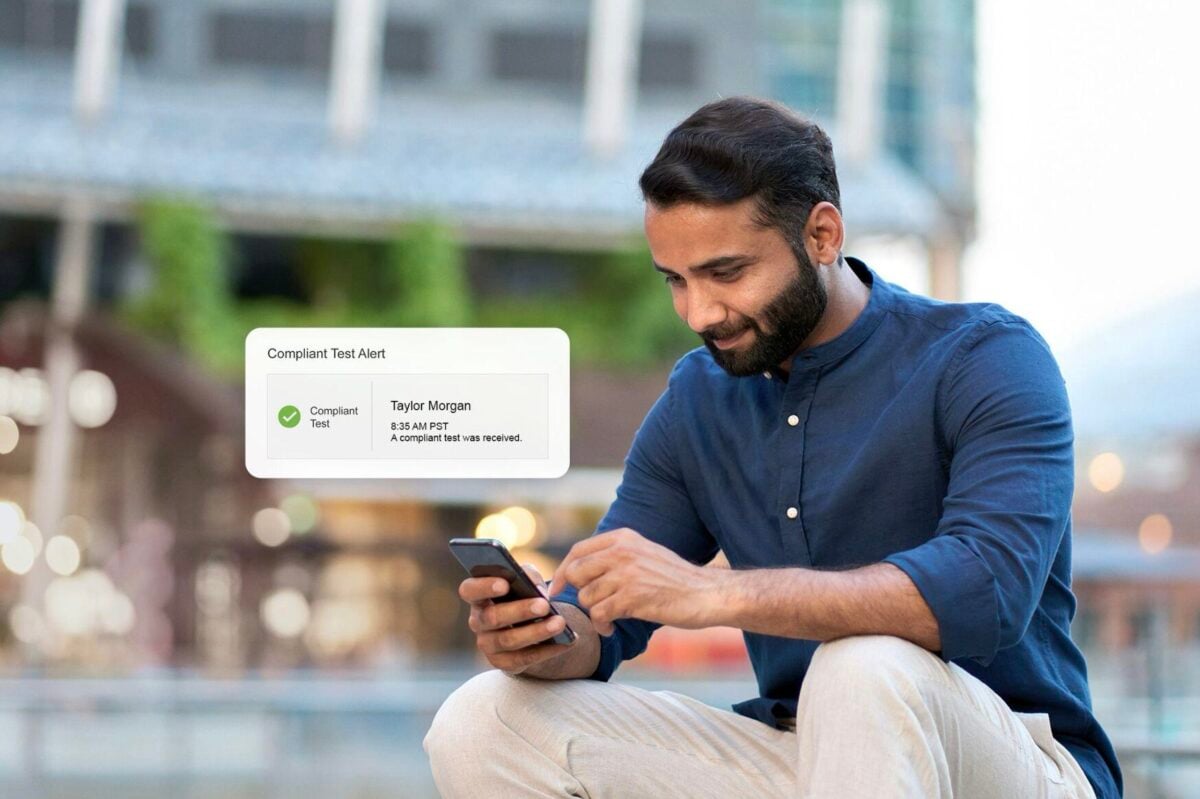
Remote alcohol monitoring (think portable, handheld device) allows people to follow a testing schedule and share results instantly with specified contacts. Many people are drawn to this option because it provides structure without feeling punitive or disruptive to daily life. Testing can be done from home or while traveling, which makes it easier to stay consistent while juggling day-to-day responsibilities.
Modern alcohol monitoring devices often include identity verification, tamper sensors, and time-stamped results. These features help ensure that results are accurate and tied to the correct individual, which is especially important when sobriety needs to be documented and trust is being restored.
What is The Most Reliable Breathalyzer for Remote Alcohol Monitoring?
Reliability in remote alcohol monitoring boils down to two key things: accuracy and identity verification. When people are searching for the most reliable breathalyzer for remote alcohol monitoring, they are looking for a system that can confirm both alcohol levels and that the correct person is completing the test.
Soberlink is widely regarded as the most trusted remote alcohol monitoring system on the market. Its devices use built-in facial recognition during testing, which prevents someone else from completing the test on the user’s behalf. Test results are also time-stamped, securely recorded, and automatically shared with designated contacts, such as a spouse, sponsor, treatment provider, or legal professional, creating a clear, verifiable record of sobriety.
For people using remote alcohol monitoring to support recovery and rebuild trust, reliability provides peace of mind. Accurate, verifiable results help reduce tension, support recovery goals, and strengthen trust with family members, employers, or the court system when alcohol use is a concern. While alcohol monitoring is not a replacement for recovery work, choosing a system that is accurate and difficult to manipulate matters. There are many alcohol monitoring options on the market, but for those seeking the most reliable and trusted solution, Soberlink stands apart.