
Building a Foundation for Long-Term Recovery
Recovery from addiction is one of life’s most challenging yet rewarding journeys. Whether you’re taking your first steps toward sobriety or celebrating years of recovery, understanding how to stay sober requires ongoing commitment, the right strategies, and a strong support system. Long-term sobriety isn’t just about avoiding your drug of choice—it’s about building an entirely new life filled with purpose, healthy relationships, and effective coping mechanisms.
The path to sustained recovery looks different for everyone, but certain foundational principles can help anyone maintain their sobriety over an extended period. This comprehensive guide will explore evidence-based strategies and practical sober living tips that have helped countless individuals achieve long-term success in their recovery journey.
Understanding the Nature of Long-Term Recovery
Recovery from substance use disorder is best understood as a lifelong journey rather than a destination. The National Institute on Drug Abuse emphasizes that addiction is a chronic condition that affects brain function, making the risk of relapse a persistent concern that requires ongoing management. However, this doesn’t mean recovery is impossible—millions of people worldwide have achieved long-term sobriety and built fulfilling lives free from addictive substances.
The first year of recovery often presents the greatest challenges, with relapse rates being highest during this period. Understanding that setbacks can be part of the recovery process helps normalize the experience while emphasizing the importance of having a comprehensive relapse prevention plan in place.
Building Your Support Network
The Power of Social Support
One of the most crucial elements in learning how to stay sober is developing a strong support system. Research consistently shows that individuals with robust social support networks have significantly better outcomes in addiction recovery. Your support network might include family members, friends in recovery, addiction specialists, and fellow members of support groups.
Support Groups and 12-Step Programs
Support group meetings provide a unique form of peer support that can’t be replicated elsewhere. Programs like Alcoholics Anonymous, Narcotics Anonymous, SMART Recovery, and Refuge Recovery offer different approaches to maintaining sobriety:
- 12-step groups provide a structured framework for personal growth and spiritual development
- SMART Recovery focuses on self-management and motivation techniques
- Refuge Recovery incorporates mindfulness and Buddhist principles
Regular attendance at 12-step meetings or other support group meetings creates accountability, provides ongoing education about addiction, and connects you with others who understand your struggles firsthand.
Professional Help and Medical Support
Working with medical professionals and addiction specialists ensures you receive proper support tailored to your unique needs. This might include:
- Regular therapy sessions with a licensed counselor
- Medication management for withdrawal symptoms or co-occurring mental health disorders
- Participation in a formal treatment program or outpatient services
- Consultation with addiction treatment specialists for ongoing recovery plans
Family and Friend Support
The support of family members and close friends plays a big part in long-term recovery. However, these relationships may need rebuilding after the damage caused by drug abuse or alcohol addiction. Open communication, patience, and, in some cases, family therapy can help repair these vital connections.
Developing Effective Coping Mechanisms
Identifying and Managing Triggers
Learning to recognize and manage triggers is an important first step in maintaining sobriety. Triggers can be:
External Triggers:
- Specific places associated with drug use
- Certain people or social gatherings
- Stressful situations
- Access to addictive substances
Internal Triggers:
- Emotional states like anxiety, depression, or loneliness
- Physical sensations that remind you of using
- Specific thoughts or memories
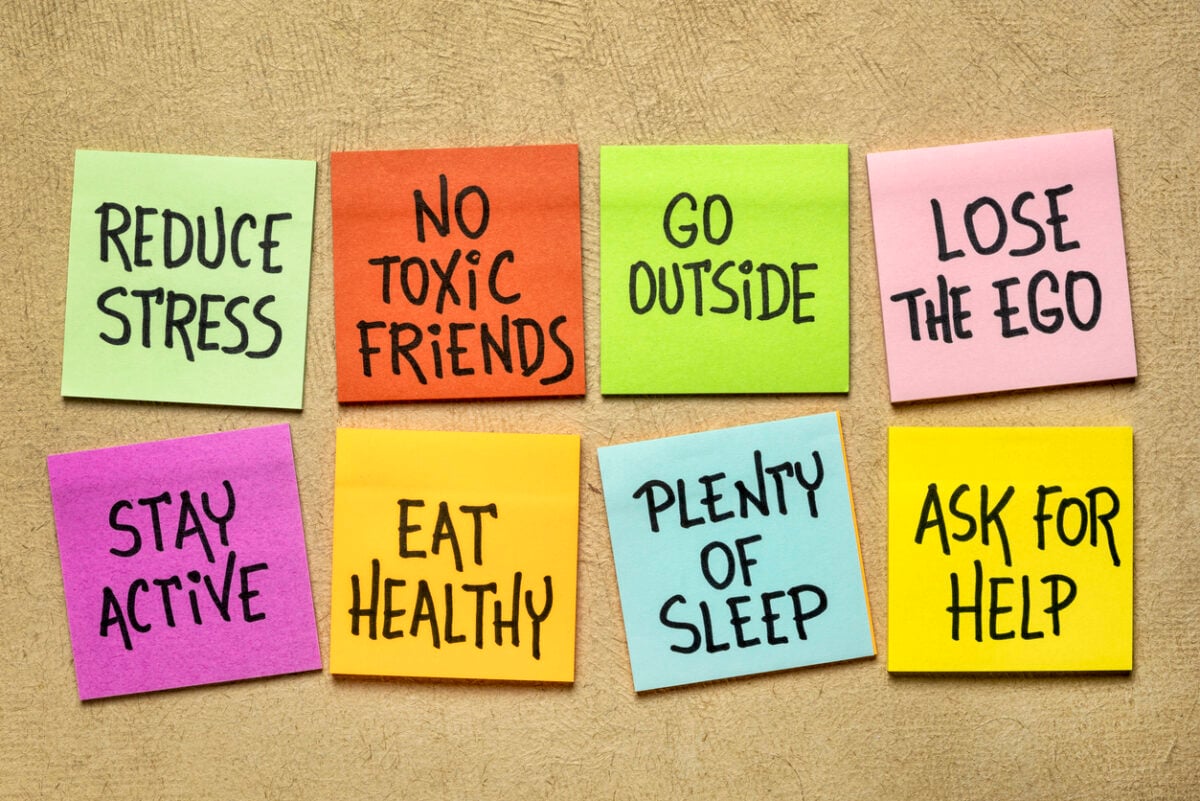
Developing new coping skills to handle these triggers is essential. This might include deep breathing exercises, calling a sponsor, attending additional 12-step meetings, or using grounding techniques learned in therapy sessions.
Building Healthy Stress Management
Effective stress management is crucial for long-term sobriety. Many people with substance abuse histories used drugs or alcohol to cope with difficult emotions or situations. Learning healthy alternatives includes:
- Regular exercise and maintaining physical health
- Mindfulness and meditation practices
- Engaging in new activities that bring joy and fulfillment
- Developing creative outlets
- Building a routine that includes adequate sleep and a balanced diet
Creating Structure and Purpose
Establishing Daily Routines
Structure provides stability during recovery, especially during the vulnerable first year. A daily routine might include:
- Morning meditation or reflection
- Regular meal times with a healthy diet
- Scheduled work or volunteer activities
- Evening wind-down rituals
- Consistent sleep schedules
Setting Achievable Goals
Recovery thrives on progress and accomplishment. Setting both short-term and long-term goals provides direction and motivation. These might include:
- Sobriety milestones (30 days, 90 days, one year)
- Personal growth objectives
- Career or education goals
- Relationship improvements
- Health and fitness targets
Finding Your Sense of Purpose
Many people in recovery discover that finding a sense of purpose becomes a driving force in maintaining sobriety. This might involve:
- Helping others in their recovery journey
- Pursuing education or career advancement
- Engaging in community service
- Developing spiritual practices
- Creating art, music, or writing
Addressing Co-Occurring Mental Health Issues
Mental health disorders often co-occur with addiction, making comprehensive mental health care essential for long-term recovery. Common co-occurring conditions include depression, anxiety, PTSD, and bipolar disorder. Working with mental health professionals to address these conditions through therapy, medication, or other treatments significantly improves recovery outcomes.
Living Arrangements and Environment
Sober Living Homes and Facilities
For many people, especially those in early recovery, sober living homes provide a supportive community and structured environment. These facilities offer:
- Peer support from others in recovery
- Accountability and structure
- A drug-free living environment
- Transition support between formal treatment and independent living
Creating a Recovery-Friendly Home Environment
Whether living independently or with family, creating an environment that supports sobriety is crucial:
- Removing all substances and paraphernalia
- Establishing house rules about guests and activities
- Creating spaces for reflection and self-care
- Displaying reminders of recovery goals and achievements
Managing Social Situations and Relationships
Navigating Social Gatherings
Social situations can present challenges, especially when alcohol or drugs are present. Strategies include:
- Having an exit plan
- Bringing a sober support person
- Practicing responses to offers of substances
- Finding new social activities that don’t revolve around substance use
Building Healthy Relationships
Recovery often involves evaluating and sometimes ending relationships that enabled addictive behavior. Building healthy relationships means:
- Setting clear boundaries
- Communicating openly about your recovery
- Seeking relationships with people who support your sobriety
- Developing emotional intimacy without substances
Long-Term Maintenance Strategies
Continued Education and Growth
Recovery is an ongoing learning experience. Staying engaged in personal growth through:
- Reading recovery literature
- Attending workshops and seminars
- Pursuing education or training
- Regular self-reflection and inventory
Regular Check-ins and Accountability
Maintaining long-term sobriety often requires ongoing accountability through:
- Regular sponsor meetings
- Continued therapy sessions
- Periodic treatment plan reviews
- Honest self-assessment on a daily basis
Celebrating Milestones
Recognizing achievements in recovery reinforces positive behavior and provides motivation. Celebrating sobriety anniversaries, personal accomplishments, and recovery milestones helps maintain focus on the benefits of a new sober life.
When to Seek Additional Resources
Recovery needs can change over time, and knowing when to seek additional resources is crucial. Consider reaching out for help when:
- Experiencing persistent cravings or thoughts of using
- Facing major life changes or stress
- Struggling with mental health symptoms
- Feeling isolated or disconnected from support
- Experiencing relationship difficulties
An extensive list of additional resources includes helplines, online support communities, mental health care providers, and specialized addiction treatment programs. The Recovery Village and similar organizations offer comprehensive resources for ongoing support.
Conclusion
Learning how to stay sober is a deeply personal journey that requires patience, commitment, and the right support system. Long-term sobriety is absolutely achievable with the proper foundation of support groups, healthy coping mechanisms, professional guidance, and personal dedication to growth.
Remember that recovery is not about perfection—it’s about progress. Each day sober is an accomplishment worth celebrating, and each challenge overcome builds strength for the future. Whether you’re just beginning your recovery journey or working to maintain years of sobriety, these sober living tips can help you build a strong foundation for a fulfilling life in recovery.
The road of recovery may have its difficult times, but with the right tools, supportive community, and commitment to your new life, long-term recovery is not just possible—it’s probable. Take it one day at a time, lean on your support network, and remember that seeking help is always a sign of strength, not weakness.