
Table of contents
This blog post contains links to an affiliate. Sober Speak earns a small commission if you click the links and make a purchase.
Introduction: Crystal Healing as a Holistic Approach to Recovery
For those experiencing drug addiction or alcohol addiction, the journey toward recovery often requires multiple approaches. While professional help and treatment programs form the foundation of addiction recovery, many people discover that holistic therapies like crystal healing can serve as powerful tools alongside regular medical care and support groups.
The use of crystals for healing dates back to ancient times, when natural minerals were believed to offer healing powers for emotional and physical challenges. The term “crystal” comes from a Greek word meaning “ice,” reflecting how these healing stones form under pressure into unique configurations. For people facing substance abuse—whether heroin addiction, cocaine addiction, alcohol abuse, or other types of addiction—the recovery process extends beyond simply stopping drug use. Withdrawal symptoms, mood swings, and negative emotions create difficult times that test commitment to change.

Crystal healing works by conducting energy. The excess energy that accumulates around drug abuse can become trapped in the human body and subconscious mind. Without releasing this energy through the healing process, mental illness may emerge on the emotional level, including manic depression, mood swings, and mental dependency. Since ancient times, healing crystals have been recognized for absorbing and transforming negative energy into positive energy.
Understanding how different crystals interact with energy centers called chakras helps explain their benefits. The heart chakra governs emotional healing; the third eye chakra promotes clarity; the sacral chakra influences creativity and emotional expression; and the solar plexus chakra supports personal power and self-esteem—all areas affected by substance abuse.
What makes crystal healing particularly relevant is the mechanical energy discharge method. When certain crystals are subjected to pressure, they release electrical energy—a scientifically recognized phenomenon called piezoelectricity, from the Greek word meaning “to squeeze.” This same property is found in human DNA and bones, suggesting a natural compatibility between crystal energy and the human body.
Important: Crystal therapy should complement, never replace, professional help. The first step in addressing any addiction must be seeking appropriate addiction treatment and medical care.
Best Crystals for Drug and Alcohol Addiction
Amethyst: The Stone of Sobriety
Amethyst is the premier stone of sobriety. This purple crystal, sometimes called a purple quartz-like crystal, has been used since ancient times specifically for addressing alcohol addiction and drug addiction. The name comes from a Greek word meaning “not intoxicated.”
As an excellent crystal for addiction recovery, amethyst works on multiple levels. It activates the third eye chakra, promoting mental clarity and helping people see beyond the distorted thinking patterns that fuel substance abuse. For those experiencing withdrawal symptoms, amethyst offers calming energy that eases anxiety and promotes restful sleep.
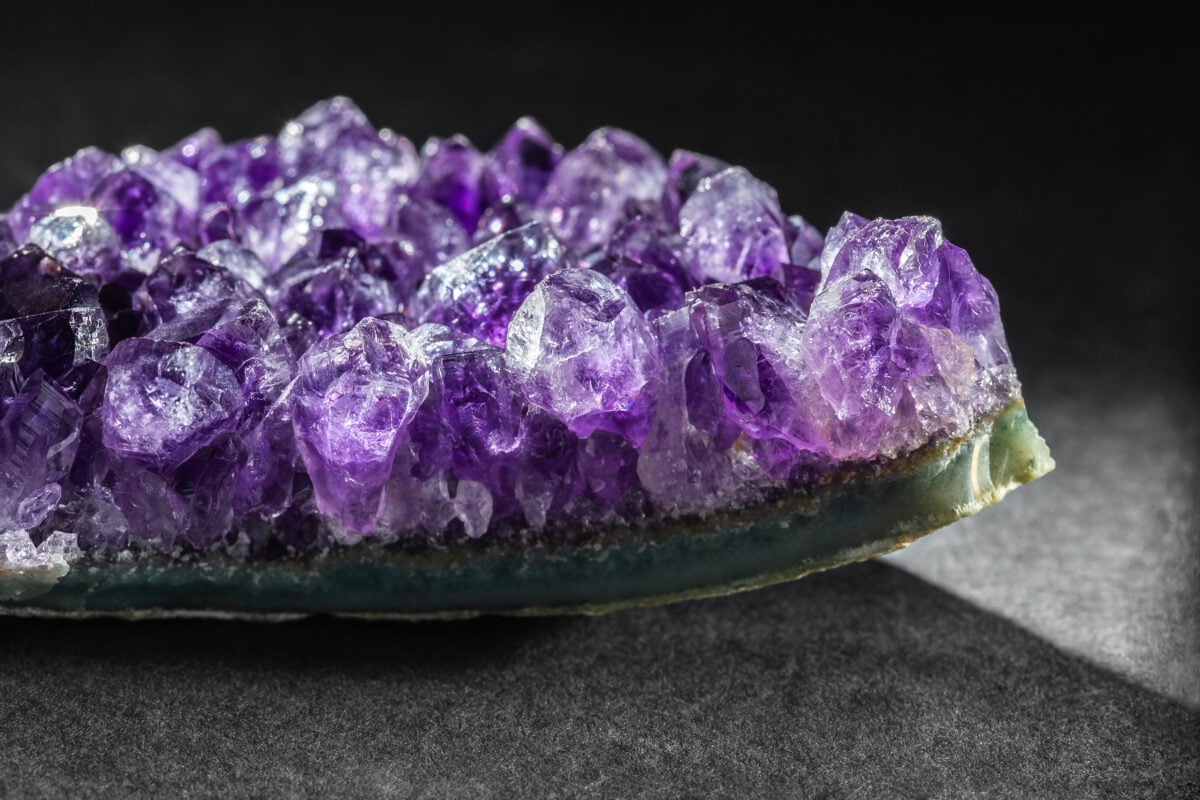
This powerful stone works particularly well for alcohol abuse and alcohol consumption. Its sobering energy helps clear mental fog and supports decision-making essential to maintaining long-term sobriety. Many in recovery wear amethyst jewelry as a constant reminder of commitment to positive changes.
For those dealing with heroin addiction, cocaine addiction, or other forms of drug use, amethyst provides protective energy against negative influences and helps strengthen resolve during vulnerable moments. This good crystal addresses the emotional level of addiction by stabilizing mood swings and promoting inner peace.
How to use: Place an amethyst on your third eye during meditation, wear it as earrings to maintain a connection to intuition, or keep it near your bed for peaceful sleep. Create crystal elixirs by placing them in water overnight (ensure it’s safe for water contact).
Rose Quartz: Heart Healing and Emotional Recovery
Rose quartz addresses the emotional wounds that often underlie substance abuse. This gentle pink healing stone works with the heart chakra, promoting unconditional love, forgiveness, and emotional healing—essential for the recovery process.
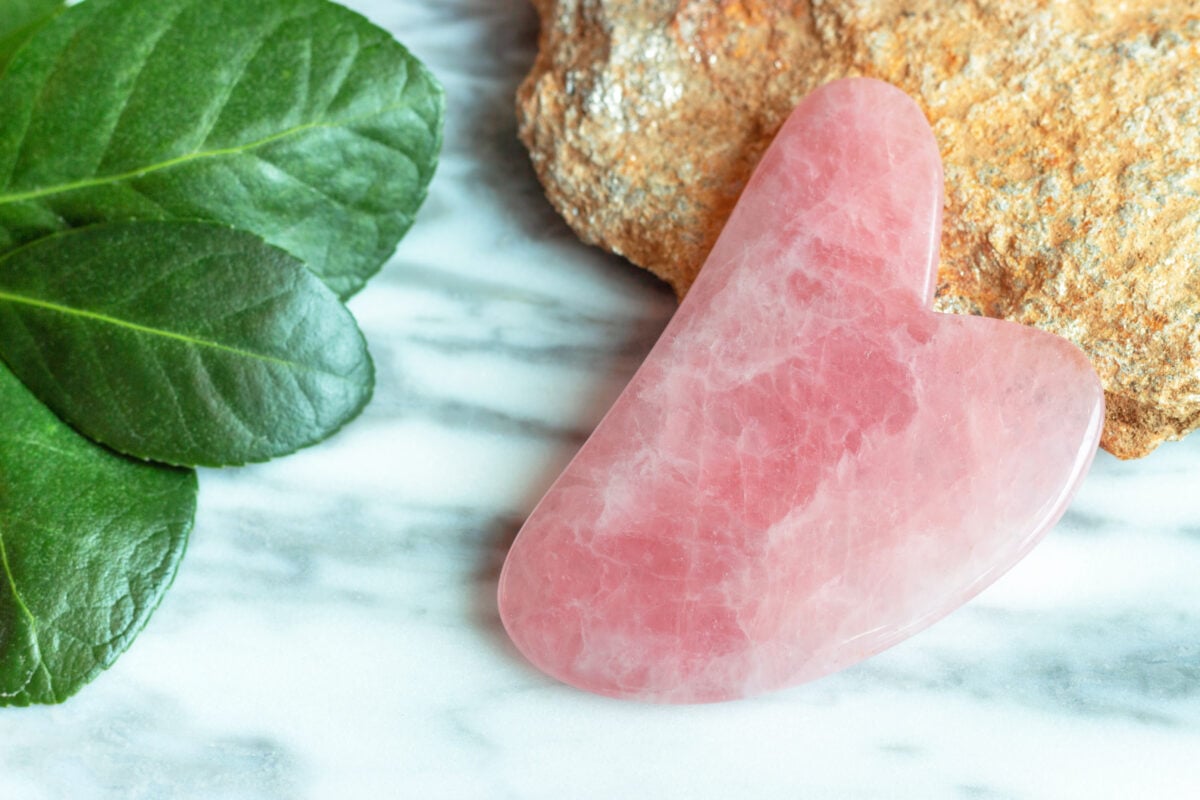
Many struggling with drug addiction or alcohol addiction have experienced trauma or broken relationships with family members. These painful experiences create negative emotions that substance abuse temporarily numbs. Rose quartz helps heal deep emotional wounds, making it one of the best crystals for addressing addiction’s root causes.
As a stone focused on positive energy, rose quartz supports the rebuilding of relationships damaged by substance abuse. It helps develop compassion for self and others, replacing shame with self-acceptance. For those dealing with food addiction or behavioral addictions rooted in emotional distress, rose quartz offers compelling support for developing healthier emotional processing.
How to use: Wear rose quartz as a necklace over your heart chakra, or lie down with a piece on your chest during meditation for direct energetic connection and emotional release.
Clear Quartz: The Master Healing Crystal
Clear quartz is one of the best stones for comprehensive healing. This powerful crystal works with all chakras, making it versatile for addressing the many facets of addiction. Sometimes called the “fairy stone,” clear quartz amplifies the healing powers of crystals and enhances effects when combined with other stones.
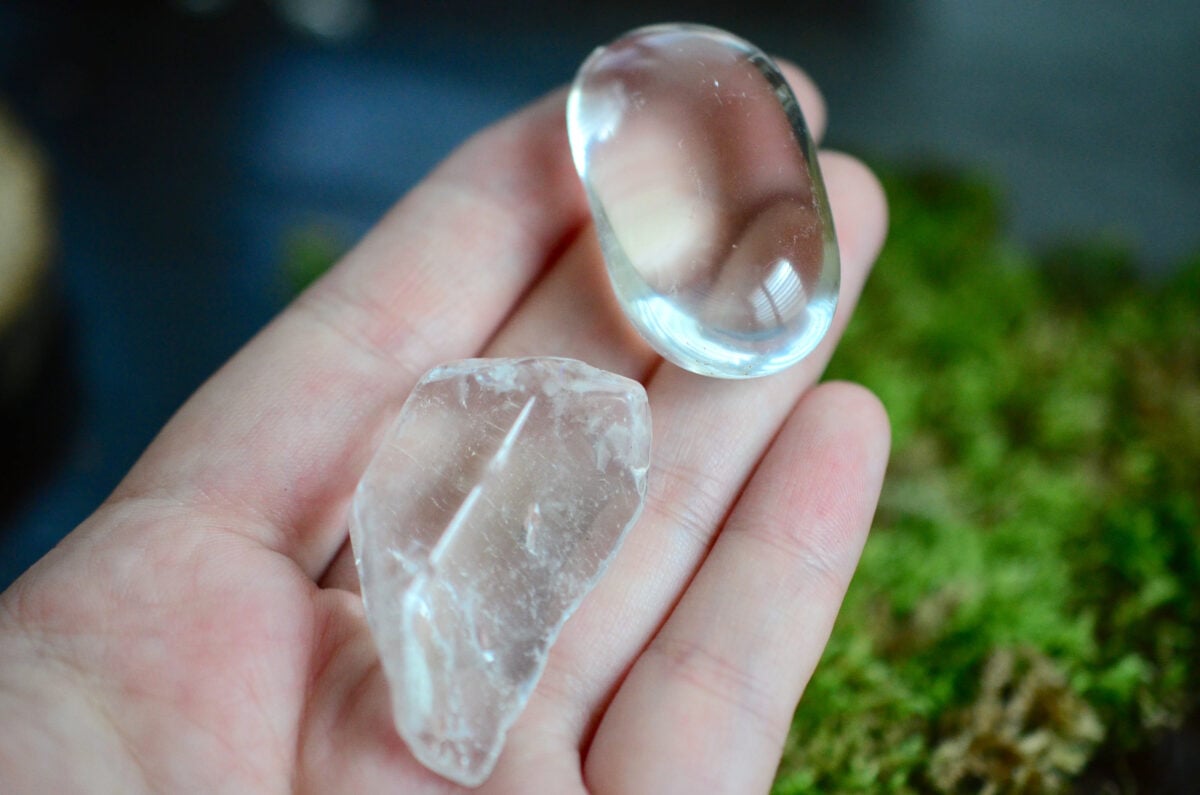
As a master healing stone, clear quartz brings clarity to the subconscious mind, helping uncover deep-rooted causes of substance abuse. It works particularly well for mental dependency, helping clear mental fog and restore cognitive function impaired by long-term drug abuse.
This excellent crystal also amplifies intention, making it useful for those working recovery programs. By focusing intention through clear quartz, many find a stronger connection with their higher power and commitment to positive changes. It activates the crown chakra, opening channels to spiritual wisdom crucial in recovery.
How to use: Place on top of your head during meditation to activate the crown chakra, hold in your right hand while setting intentions, or add to crystal grids for enhanced effects.
Black Onyx: Protection and Grounding
Black onyx is a powerful protective stone against negative energy. This deep, metallic black crystal has been used since ancient times as a stone of protection, creating an energetic shield while providing grounding during difficult times.
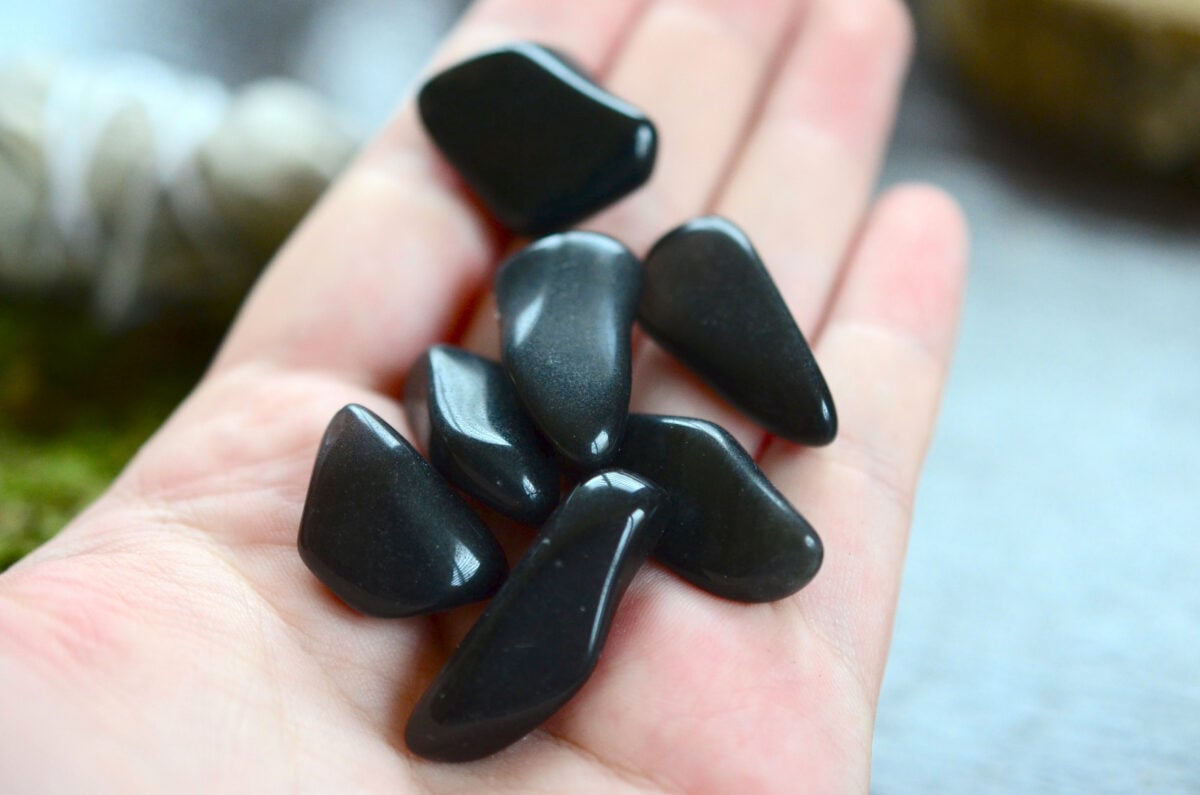
For those recovering from cocaine addiction or crystal meth use, black onyx offers particularly valuable support. These drugs create frenetic energy that persists after stopping drug use. Black onyx’s grounding properties help settle excess energy, bringing the nervous system into balance.
This good crystal for addiction recovery helps break bad habits and establish healthier patterns. Its protective energy creates boundaries against triggers and unhealthy relationships that threaten sobriety. Many in addiction treatment find carrying black onyx provides comfort during challenging moments.
Black onyx also addresses sleep difficulties common in early recovery. Placing it under your mattress can quiet racing thoughts and promote restful sleep—essential for healing the human body after prolonged substance abuse.
How to use: Carry in your pocket for grounding throughout the day, place under your pillow for better sleep, or hold during meditation when feeling restless.
Amber: Balance During Transition
Amber, with its warm golden-orange glow, serves as a stone of transition—perfect for the recovery process. Technically fossilized resin, this unique healing stone contains both light and dark elements, helping navigate the journey from active addiction to recovery.
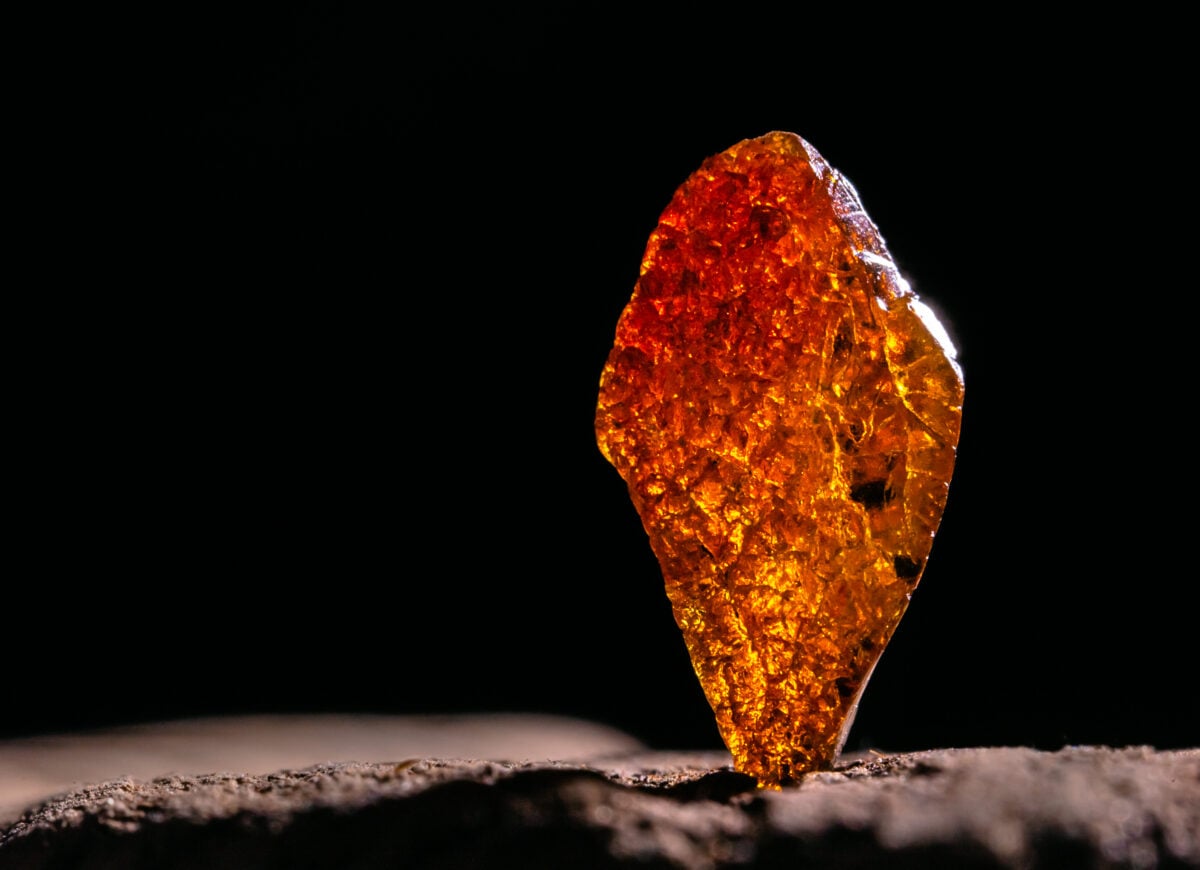
Amber works with the sacral and solar plexus energy centers, which govern identity, creativity, and personal power—areas damaged by prolonged substance abuse. It helps restore a sense of self and redirects powerful desire energy from drug addiction or alcohol addiction toward healthier outlets like creative expression and personal growth.
As a powerful tool for managing withdrawal symptoms and cravings, amber soothes restlessness and discomfort during detox, while grounding prevents mood swings every day when stopping alcohol consumption. Its balancing energy helps integrate the complex emotions of recovery, supporting the development of compassionate self-understanding.
How to use: Carry amber to manage cravings, wear it as jewelry for consistent balancing energy, or hold it during meditation to process difficult emotions.
Lapis Lazuli: Finding Your Authentic Voice
Lapis lazuli, deep blue with gold flecks, works with the throat chakra, making it excellent for honest communication about addiction experiences. This beautiful stone has been valued since ancient times for its ability to facilitate truthful, authentic expression.
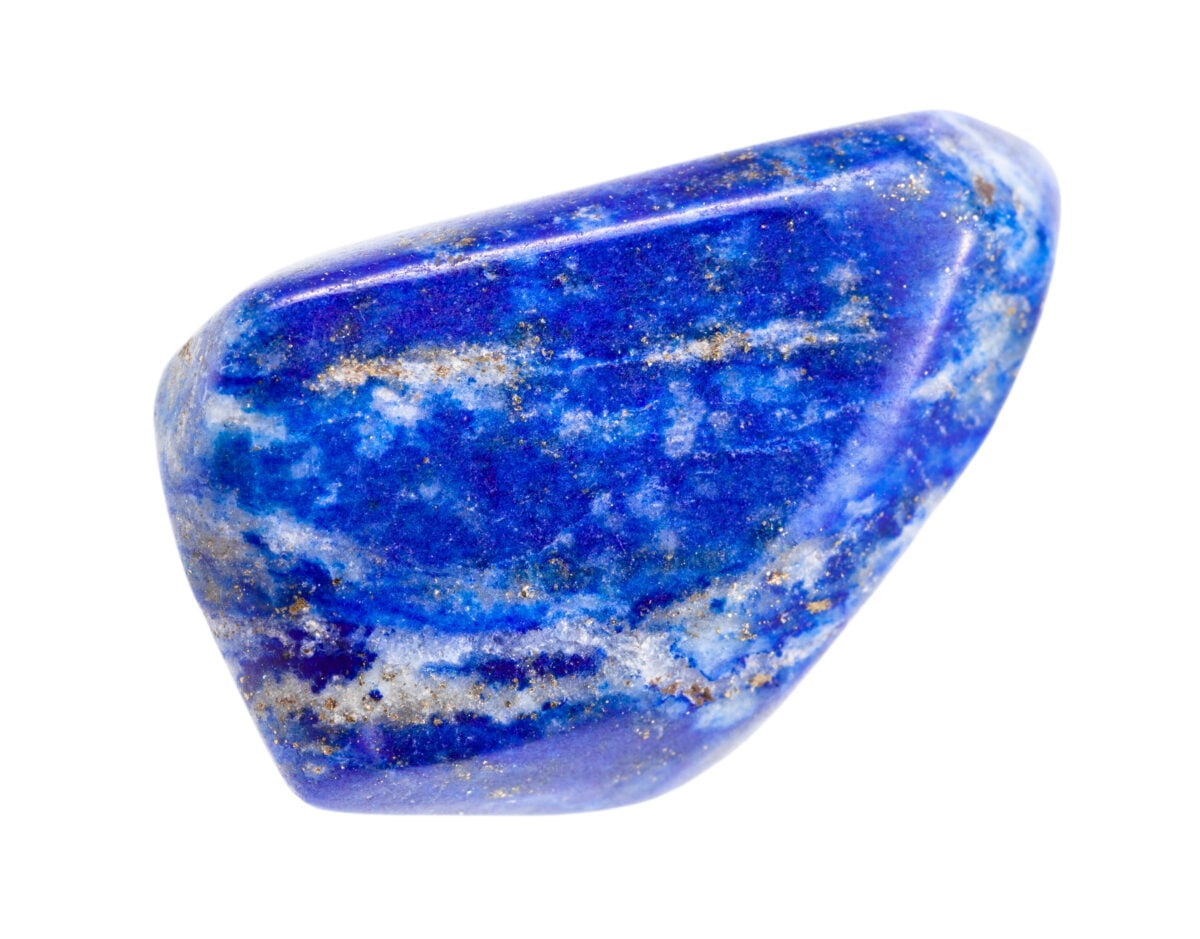
Many struggling with drug or alcohol abuse develop deception patterns, hiding substance use from family members. Lapis lazuli supports the difficult work of learning truthful communication again—essential in support groups, therapy, and maintaining accountability.
For those recovering from heroin addiction or substances that impact cognitive function, lapis lazuli helps restore the ability to formulate thoughts into words—crucial for processing experiences in therapy or sharing in support groups. It helps find an authentic voice separate from addiction identity.
How to use: Wear as a necklace to keep energy near the throat chakra, supporting confident communication during difficult discussions and helping overcome shame.
Additional Helpful Crystals for Recovery
Citrine: Yellow crystal working with solar plexus, rebuilding self-esteem damaged by substance abuse. Its sunny energy combats depression and promotes a positive attitude.
Smoky Quartz: Grounding stone that releases negative emotions and supports detoxification. Particularly useful during withdrawal symptoms.
Lepidolite: Purple stone containing lithium with mood-stabilizing properties. Excellent for addressing mood swings and emotional volatility in early recovery.
Carnelian: An orange stone that activates creative energy and helps replace unhealthy habits with positive ones. Supports taking the first step toward change.
How to Use Healing Crystals in Recovery
Choosing Your Stones
When selecting healing stones, let intuition guide you. Visit a crystal shop and hold different crystals in your right hand, then your left hand. Notice energy shifts. A good stone for you feels right energetically.
Many in recovery ask their higher power for guidance when choosing crystals, honoring the spiritual dimension while acknowledging that external tools support internal healing.
Practical Methods
Meditation: Place appropriate crystals on relevant chakras. Amethyst on the third eye for clarity, rose quartz on the heart for emotional healing.
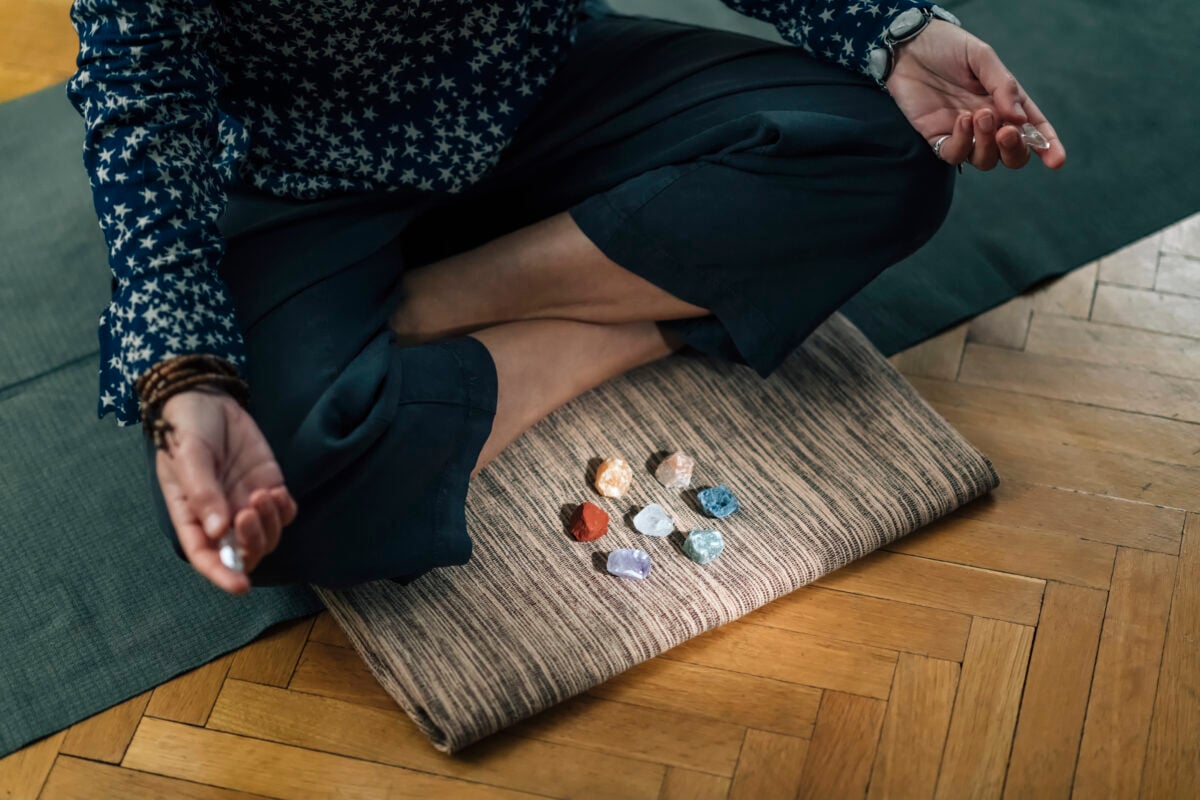
Jewelry: Wearing healing crystals as jewelry keeps energy close throughout the day.
Pocket Stones: Carry small healing stones for immediate access when cravings or anxiety arise. This simple way provides grounding and redirection.
Crystal Elixirs: Create healing water by placing appropriate crystals in water overnight under moonlight or sunlight, depending on intention.
Daily Rituals: Begin each day holding your chosen stone and setting intentions. This creates a positive attitude, influencing the entire day.
Crystal Healing Within Comprehensive Treatment
While healing crystals offer valuable support, they work best as part of a holistic approach to addiction treatment. The first step in addressing addiction must be seeking professional help and appropriate treatment programs.
Essential Professional Care
Drug addiction and alcohol addiction are severe medical conditions requiring evidence-based treatment. Treatment programs provide structure, support, and medical supervision during withdrawal and early recovery. For severe substance abuse like heroin addiction or cocaine addiction, inpatient programs often offer the safest initial approach.
Crystal therapy complements but never replaces professional addiction treatment, support groups, or regular medical care. Western medicine and alternative medicine together offer the best ways to address addiction’s physical, emotional, mental, and spiritual dimensions.
Complementary Practices
Other holistic therapies that complement the use of crystals include meditation, yoga, acupuncture, nutritional therapy, and creative expression—all of which address different aspects of healing.
Support groups provide community and accountability, which are essential for long-term recovery. Family members play crucial roles and often need their own support through programs like Al-Anon. Professional help from therapists and doctors provides expert guidance through the complex recovery process.
Understanding Crystal Healing Realistically
Honesty about what healing crystals can and cannot accomplish is essential. They serve as powerful tools for mindfulness, intention-setting, and energetic support—but they are not magic cures.
What Crystals Offer
- Mindfulness and presence during difficult times
- Symbolic support and reminders of recovery commitments
- Healthy rituals replacing substance use rituals
- Energetic balance supporting emotional healing
- Complementary support enhancing other therapies
What Crystals Cannot Replace
- Medical detoxification (withdrawal can be dangerous)
- Mental health treatment for depression, anxiety, and trauma
- Behavioral therapy and skill development
- Human connection and community support
- Accountability structures essential for recovery
Conclusion: Embracing New Perspectives and New Opportunities
There is no single cure for drug addiction or alcohol addiction. The recovery process requires multiple approaches that address the physical, emotional, mental, and spiritual dimensions. While treatment programs and professional help form the foundation, holistic approaches like crystal healing offer complementary support that enhances overall healing.
The use of crystals is one of the best ways to support recovery by creating positive energy, establishing healthy rituals, and practicing mindfulness. Whether their effectiveness stems from energetic properties or simply the mindfulness they encourage, healing crystals have helped many navigate the recovery process and maintain long-term sobriety.
For those beginning recovery, seeking professional help and appropriate addiction treatment must be the first step. Contact treatment programs, speak with healthcare providers, and connect with support groups to create an evidence-based care foundation. Within that framework, exploring holistic therapies such as crystal healing can provide additional support.
Healing from substance abuse is possible. With the right combination of professional treatment, social support, personal commitment, and complementary practices, you can create positive changes and build a life free from addiction’s control. The beautiful crystals available to support recovery are just tools. The real power lies within you—in your decision to seek help, your commitment to change, and your willingness to explore new perspectives for healing.
If you’re currently struggling with drug addiction, alcohol addiction, or any form of substance abuse, please reach out for professional help today. Contact SAMHSA’s National Helpline at 1-800-662-4357 for free, confidential support and treatment referral information 24/7.