
Early recovery can feel loud. The body is healing, the mind races, and quiet moments are hard to come by. Yoga for addiction recovery offers a simple way to slow down, breathe, and come back to yourself, one pose at a time.
You do not need to be flexible or athletic to start. You only need a little willingness, which many people in recovery already know well.
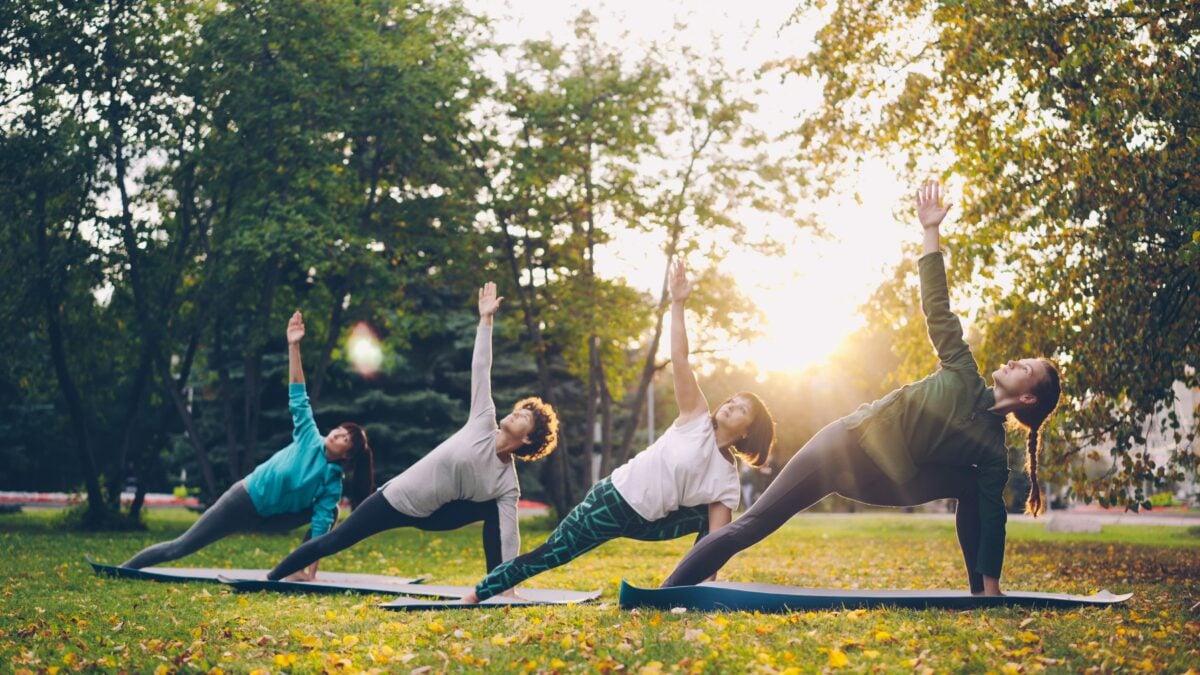
How Yoga Supports People With Substance Use Disorder
Yoga is an ancient practice that pairs physical postures with breathing techniques and focused attention. For people with substance use disorder, that combination can be a steady anchor during a season full of change.
Much of addiction recovery is about learning to stay in the present moment instead of escaping it. Yoga gives you a place to practice that skill with your body, not just your thoughts.
Calming the Body With Breathing Techniques
Slow, deep breathing engages the parasympathetic nervous system, the part of the body that handles rest and recovery. When it takes over, your heart rate can slow and tight muscles start to let go.
Breath awareness is something you can carry anywhere. A few slow breaths before a hard conversation or a strong craving can create just enough space to make a better choice.
Doctors often encourage relaxation and stress management for people living with high blood pressure. If that applies to you, ask yours whether a gentle breathing practice makes sense.
Physical Postures for Physical Health in Early Sobriety
Withdrawal symptoms and the weeks that follow can leave the body tense, restless, and worn out. Gentle physical postures can ease stiffness and help you reconnect with a body that may have been ignored for a long time.
Many people notice that yoga helps them sleep better, which is a gift in early sobriety. Gentle stretching may also ease chronic pain for some, though anyone with an injury should check with a provider first.
Gentle Yoga Poses for Addiction Recovery
These four beginner poses need no experience and very little space. Move slowly, breathe through your nose if you can, and stop anything that hurts.
Child’s Pose
Kneel on the floor, sit back toward your heels, and fold forward, resting your arms in front of you or alongside your body. Let your forehead rest on the mat or a pillow.
This pose is a good place to go when emotions run high. Stay for five to ten slow breaths and let the floor hold you.
Cat-Cow
Come onto your hands and knees. As you breathe in, drop your belly and lift your gaze; as you breathe out, round your back toward the ceiling.
Linking each movement to a breath is a simple way to practice focus. It also loosens a stiff back after a restless night.
Legs Up the Wall
Lie on your back near a wall and rest your legs up against it, letting your arms fall open at your sides. A folded blanket under your hips can make it more comfortable.
Many people use this pose at bedtime to wind down. A few minutes here can quiet a busy mind before sleep.
Corpse Pose
Lie flat on your back with your legs relaxed and your palms facing up. Close your eyes and let your breathing return to its natural rhythm.
It looks like doing nothing, but it may be the hardest pose for a racing mind. Practicing stillness here makes it easier to find stillness off the mat.
Yoga Therapy as One of Many Complementary Therapies
Yoga therapy is not a replacement for addiction treatment. It works best alongside evidence-based treatment such as cognitive behavioral therapy, individual therapy, and group therapy.
You may find yoga offered as one of several complementary therapies in a treatment setting. It sits next to traditional treatment rather than competing with it.
What Research Says About Yoga and Addiction
The research is promising, though still early. A 2018 review in the Journal of Neurosciences in Rural Practice examined 16 studies, most of them randomized trials comparing yoga with a control group.
Most of those studies found short-term drops in craving and substance use, especially for nicotine. Long-term results were mixed, and the authors called for larger, more careful studies.
That balance matters. Yoga can help, but it belongs alongside traditional care, your meetings, and the support of people who understand.
Support for Mental Health Disorders
Anxiety and depression often show up alongside addiction. Many people practice yoga to manage stress, and a calmer body can make therapy feel more possible.
For people living with mental illness as well as addiction, yoga is not a cure. It can still become an effective tool for getting through hard days between appointments.
Emotional Regulation and Relaxation Practices on the Mat
Feelings come back strong when the substances are gone. Anger, grief, fear, and even joy can feel overwhelming without the old ways of numbing them.
Yoga offers a safe place to practice emotional regulation. Holding a challenging pose while breathing steadily teaches the nervous system that discomfort can pass without anyone needing to run from it.
Relaxation practices like a guided rest at the end of class can bring real relief. With regular practice, many yoga practitioners find they recover from stress a little faster each time.
Recovery Yoga Meetings and the 12-Step Program
Yoga and the 12-step program fit together naturally. Both ask for honesty, humility, and showing up even on the days you would rather not.
Recovery yoga meetings blend a short 12-step style discussion with a yoga practice. People share their experience, then move and breathe together.
One well-known example is Y12SR, the Yoga of 12-Step Recovery, founded by yoga teacher Nikki Myers. Groups such as Recovery Yoga Meetings also offer this kind of gathering, and some meet online.
These meetings can be a meaningful addition to your regular meetings, not a replacement. They often feel like a meeting with the body invited along.
The spiritual side of the steps also shows up on the mat. Stillness, prayer, and meditation lead naturally into the conscious contact described in Step 11, and our Step 11 AA worksheet can help you reflect on that practice each night.
Finding the Right Type of Yoga and Yoga Classes
No single type of yoga is best for recovery. Gentle, restorative, and trauma-informed styles are a soft place to land, especially early on.
When looking for yoga classes, consider community centers, recovery organizations, and studios that welcome beginners. Free videos at home are a fine starting point too.
It can help to let the teacher know you are new or working through an injury. You do not have to share your story, but a good instructor will offer gentler options and never push you past what feels safe.
Family members can join in, too. Practicing together can ease tension at home and give everyone a shared, healthy way to unwind.
How you make use of yoga is up to you. Try a few classes and teachers until something feels right, and give yourself permission to go slowly.
Moving Forward, One Breath at a Time
Recovery from drug addiction, alcohol abuse, or any form of substance abuse is not something anyone has to do alone. Yoga will not fix everything, but it can help you feel more at home in your own skin.
Paired with your meetings, your sponsor, and the people who care about you, it can become one more steady habit in a sober life.
If alcohol use or drug use is still a struggle, reaching out is a strong first step. In the United States, the SAMHSA National Helpline is free, confidential, and available 24 hours a day at 1-800-662-4357.
Roll out a mat, take one slow breath, and notice how it feels. That small moment of presence is where many good things begin.
Note: This article is for educational purposes only and is not medical advice. Please talk with your doctor before starting a new exercise practice, especially during withdrawal or if you have a health condition. If you are struggling with alcohol or drugs, reach out to a qualified professional or a local recovery group.
Sources: