
Someone has asked you to prove your sobriety. Maybe it’s a court, a family member, or an employer. Whoever it is, the request can cause many emotions to come up. Especially after the work you’ve been putting into recovery.
And with those emotions come the questions you start to ask yourself. If I agree to monitoring, who gets to see it, and will it stay on my record? Here’s a clear look at how monitoring works and what it does and doesn’t mean for your privacy.
Will Alcohol Monitoring Show Up on My Record?
This is the most common worry, so it’s a great place to start.
Alcohol monitoring is not a conviction or a charge. It’s a tool people use in civil situations, such as family law, workplace compliance, and addiction recovery, to document sobriety.
What does exist is a record of your test results, shared with the people named in your monitoring agreement. That is different from a criminal record, and a separate thing altogether. That is why it matters who is named in your monitoring agreement.
If a court has ordered alcohol monitoring like in a custody and alcohol case, an order may be part of your case file. How that works depends on your state and your situation, so ask your attorney what is and isn’t in the public file.
Who Actually Sees My Results?
Results are sent to the contacts named in your monitoring agreement. That might be a co-parent or another concerned party and, depending on your situation, an attorney or a treatment professional.
The key word is named. Before you sign your monitoring agreement, you need to determine who receives your results. In Family Law cases, you may be required to name a concerned party. In addiction recovery, you’ll likely get to choose whether your results are shared with someone. How quickly results are shared with someone depends on the monitoring system and plan you choose, which can range from an emailed report with the previous day’s tests to text alerts in real time.
Questions to ask before you sign a monitoring agreement:
- Who is named as a contact in the agreement, and do they get every result?
- What is the process if a test is missed or positive?
- Is my testing data verified and being stored securely?
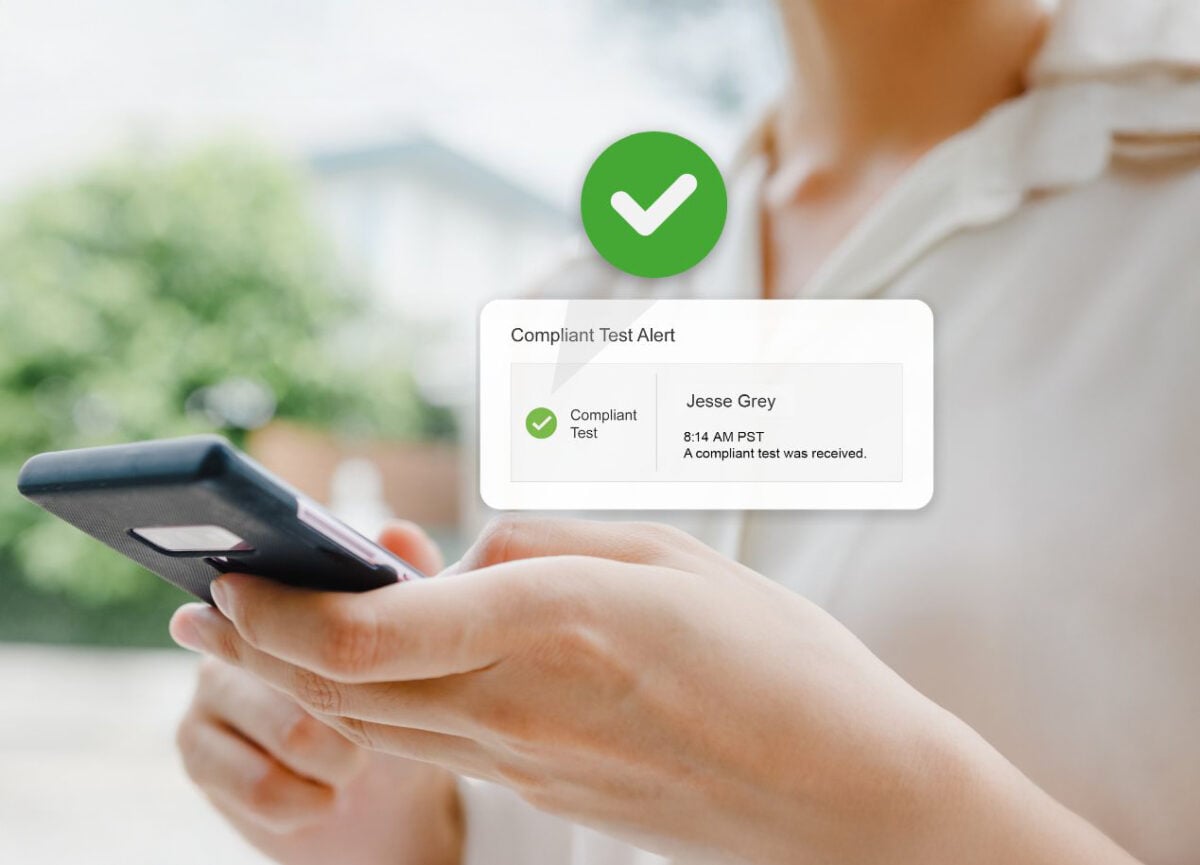
Does Monitoring Track Where I Am?
Some monitoring systems do. Some do not. For example, Soberlink alcohol monitoring verifies your identity when you test and whether alcohol is present at the moment you test. It doesn’t use GPS to track where you were when the test happened. You agreed to monitor sobriety, not your whereabouts. That’s part of why the agreement should spell out exactly what’s shared, with whom, and under what conditions.
What Does Daily Alcohol Monitoring Look Like?
Most people expect it to be more disruptive than it is. You test on an agreed-upon schedule, typically built around your routine, such as when you wake up and before bed. A typical daily schedule has two to three tests during waking hours.
Each test uses facial recognition to confirm it’s you taking it. That keeps the record about you and no one else.
Questions to ask yourself:
- Does this testing schedule fit my lifestyle comfortably?
- Are my tests spaced evenly apart, ensuring that a slip or relapse is detected early?
- Does the system I’m using support random testing, or respect the boundaries of the monitored client?
- What happens when a test is missed or positive?
- How are tests recorded when I travel?
- Does the system I’m using have built-in safeguards around tampering?
What If a Result Looks Wrong?
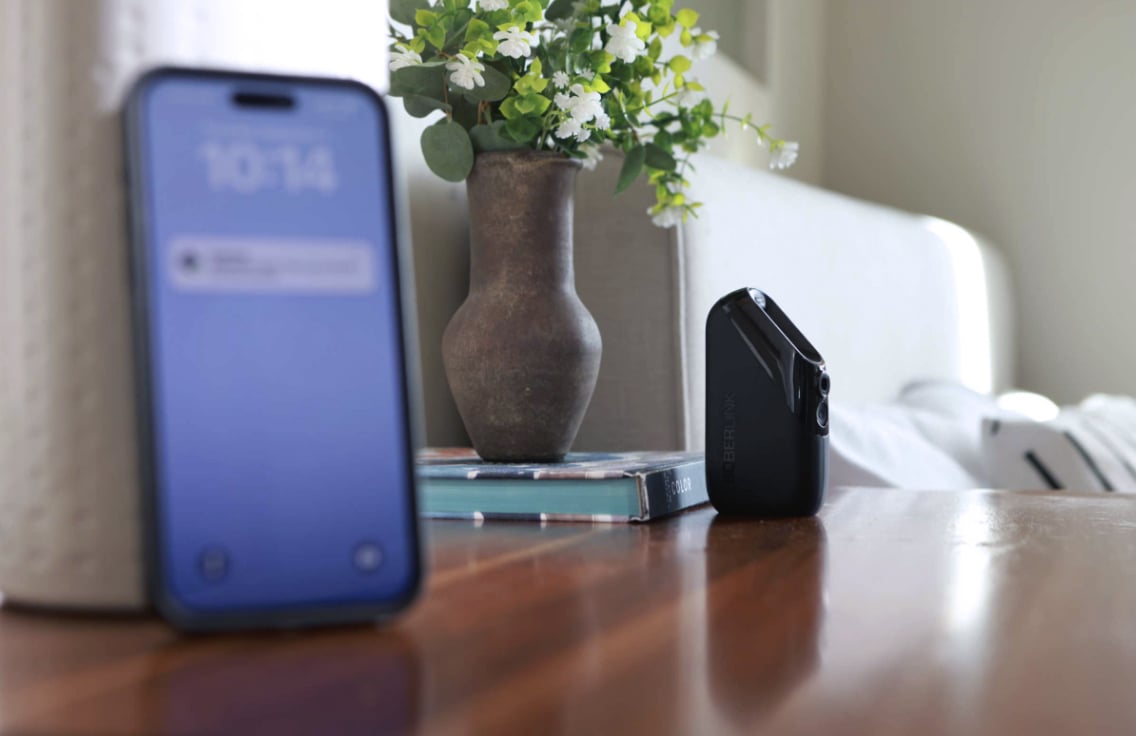
One test isn’t always the full picture. For example, Soberlink treats the first test as a screening test. If it detects alcohol, the device prompts a retest in 15 minutes, which helps tell actual drinking events apart from incidental exposure like mouthwash. If a result is still in question, Soberlink has an in-house compliance department that evaluates positive tests more closely. It’s worth asking how that works before you start.
How Can Verified Proof Benefit You?
Here’s the part many people don’t expect. A consistent record of sobriety can work in your favor. Trust can take longer to rebuild than sobriety does, and words are sometimes not enough to convince someone that you’ve changed. A clear record of your tests gives the people who matter something real to see, so you don’t have to keep making your case.
Documenting your sobriety can also bring structure to busy days. For daily testing, Soberlink’s best practices suggest starting with three tests a day and reducing to two with consistent, compliant behavior.
A testing record does not guarantee sobriety, and it doesn’t replace support, whether that’s a sponsor, a meeting, a counselor, or your recovery circle. Think of it as a tool alongside them.
A Note for Your Recovery Circle
If you’re supporting someone who is being monitored, ask the same questions: who sees results, what the schedule looks like, and how disputes work. Monitoring often works best as an agreement everyone understands, not as a way of simply policing someone.
Keeping Some Control
Being asked to prove your sobriety can feel like a loss of privacy. Knowing and choosing who sees what, and why, gives some of that control back. Ask the questions, get the answers in writing, and lean on the people who support you.
For help finding support, and to learn more about how alcohol monitoring works, you can read Soberlink’s Alcohol Monitoring 101 guide.